
Reviewed · MONTRÉAL MUSEUMS & LANDMARKS
Montreal: Museum of Illusions Entry Ticket
One sentence can mess with your eyes. The Museum of Illusions in Montreal turns optical illusions into hands-on, photo-ready rooms, from a balance-challenging tilted space to the mind-bending infinity tunnel. I love the mix of playful experiences and the why behind them—especially holograms and stereograms. The main drawback to plan for is the physical side: if you have vertigo, some rooms may be a no-go.
This is built for an easy visit. You get around 70+ exhibits, you move at your own pace, and the whole thing is designed so you can keep experimenting until it clicks.
In This Review
- Key Things I’d Plan Around
- Where This Museum Fits in Your Montreal Day
- The Layout Philosophy: Move Through Optical Trick Zones
- The Tilting and Balance Part: Fun, But Read the Room
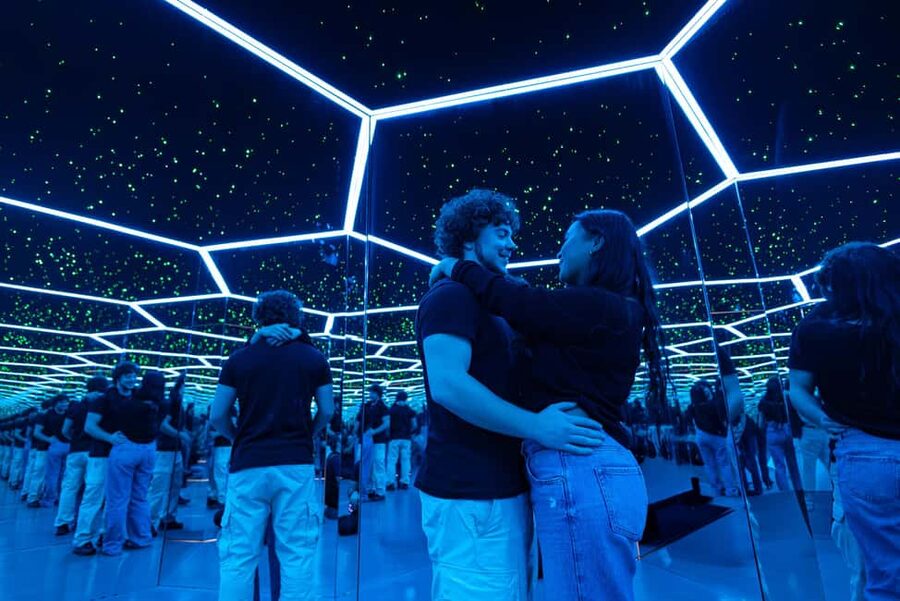
- Infinity Tunnel: The Photo Moment You’ll Want to Repeat
- Vortex Tunnel: When Your Sense of Control Gets Messed With
- Holograms and Stereograms: Where the Science Makes It Click
- Self-Paced Means You Choose Your Speed (and Your Photos)
- Best Time to Come and How to Plan Your Hour
- Who This Museum Works For (and Who Might Feel Frustrated)
- Value for $25: What You’re Actually Paying For
- Practical Tips Before You Go
- Should You Book the Museum of Illusions Montreal?
Key Things I’d Plan Around
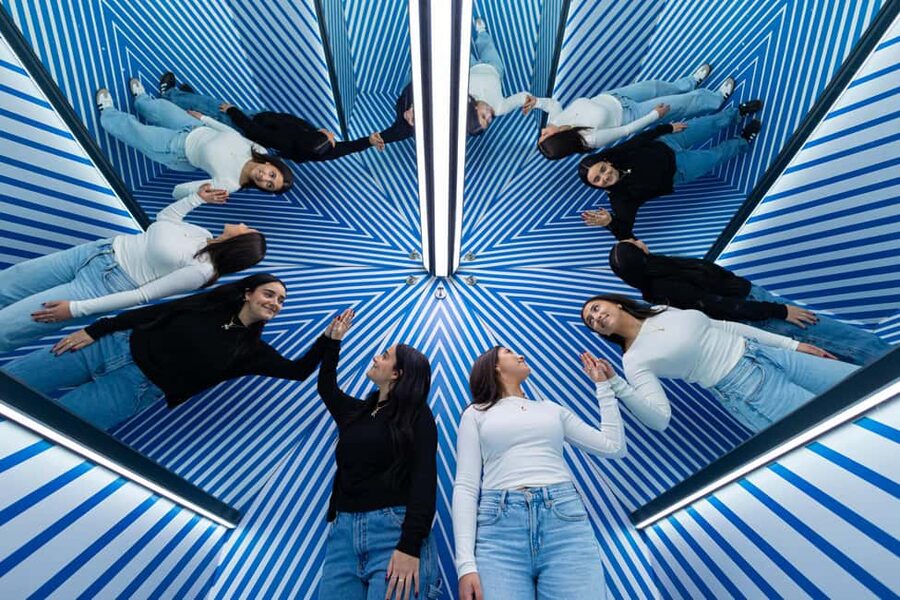
- 70+ exhibits focused on fooling light, perspective, and your brain
- A tilted room that tests balance in a safe, museum-like way
- The infinity tunnel and other visual “how is that possible?” scenes
- Holograms and stereograms with an educational angle, not just tricks
- Self-paced flow so you can linger where you’re stuck (or where the photos are best)
- Small group size (up to 4) that keeps the experience calmer than big crowds
Where This Museum Fits in Your Montreal Day
The Museum of Illusions Montreal works best as a focused stop. With a 1-hour duration, it’s ideal when you want something indoor that’s still fun and interactive, especially if Montreal weather is doing its own thing.
You’ll get the most out of it if you treat it like a “try, fail, laugh, repeat” experience. Many illusions are about patience—changing your angle, watching the way light hits a surface, or comparing what you see from one second to the next. Since the visit is self-paced, you can slow down instead of rushing for the next room.
Step inside for more museums and landmark visits around Montreal


The Layout Philosophy: Move Through Optical Trick Zones
This attraction is organized like a sensory maze, with each area designed around a different kind of perception problem. Instead of one big performance, it’s a sequence of mini challenges for your eyes and brain.
Here’s how the experience typically feels as you go:
- You start with interactive displays that play with light and perspective.
- Then you run into rooms that shift your sense of space and balance.
- After that, you hit the more “science-y” stations—things like holograms and stereograms—where the goal is to understand what makes the illusion work.
Because it’s self-paced, you control the rhythm. If you’re the type who likes to pause, test angles, and take multiple photos, you’ll have room to do it. If you’re more “see it once, move on,” you can still finish within an hour.
The Tilting and Balance Part: Fun, But Read the Room

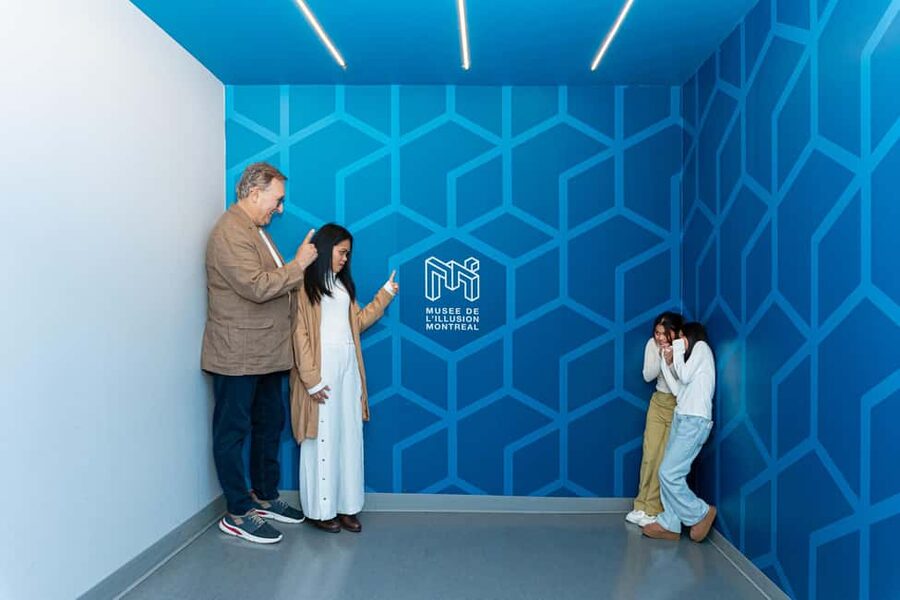
One of the most memorable pieces is the tilted room, which is designed to test balance while your brain works overtime on what “level” means. This is exactly the kind of exhibit that makes people grin and swear at their legs at the same time.
Practical tip: wear comfortable shoes. Even though it’s a museum, you’ll want steady footing because your body will react to what your eyes are telling it. If you’re traveling with kids, this is also a good moment to watch safety—help them slow down and take their time.
Important consideration: the museum is not suitable for people with vertigo. That isn’t just a legal note. If your sense of motion or orientation is sensitive, skip the riskier rooms and focus on the optical areas that don’t mess with your balance.
Infinity Tunnel: The Photo Moment You’ll Want to Repeat
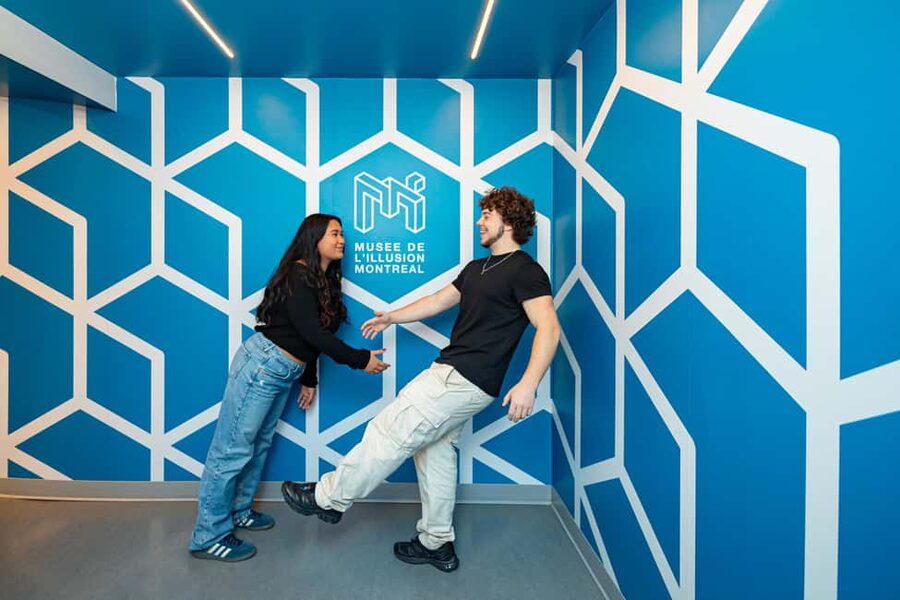
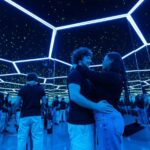
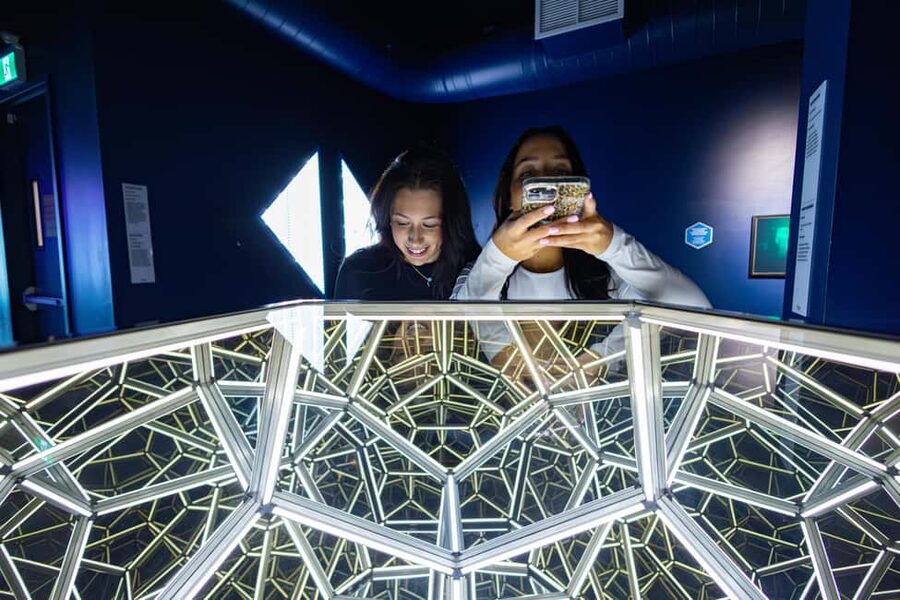
Then comes the infinity tunnel—the kind of optical illusion that instantly makes people turn their heads, take videos, and then take them again because the first clip doesn’t capture the effect.
Why it works: the design relies on how your brain interprets repetition, depth, and spacing. Even if you know it’s an illusion, your eyes still try to “solve” the tunnel as real space. That’s the point.
How to get better results:
- Try different positions (a step to the side can change the visual depth effect).
- Use your camera so you can compare what you saw versus what your screen shows.
- Give yourself a few minutes. This is one of those exhibits where rushing can make it feel like you missed the trick.
One more thing: this is also a great moment to share what you’re seeing with someone nearby. If you visit with a friend or family member, the “watch me” dynamic can make it more satisfying. If you’re going solo, it can still be great, but it may feel more like performance art than shared discovery.
Vortex Tunnel: When Your Sense of Control Gets Messed With
You’ll also see a vortex tunnel designed as another mind-bending space where the illusion pulls on your perception of direction and movement.
The key is to treat it like an experiment, not a test. Watch how the effect changes as you shift your angle. In these kinds of illusions, the experience isn’t only about where you stand—it’s about how your attention works.
If you’re prone to dizziness, take extra care here. The museum is clear that it’s not suitable for vertigo, and tunnels that mess with spatial cues can be the exact trigger.
A few more Montreal tours and outings worth your time


Holograms and Stereograms: Where the Science Makes It Click
This museum isn’t just about shock-and-awe. You’ll find exhibits that explain the “how” behind optical illusions, including holograms and stereograms.
This part matters because it turns a fun trick into something you understand. You’ll start noticing patterns:
- Your brain fills in gaps it thinks should be there.
- Your perspective matters more than you assumed.
- Your expectations can shape what you see.
If you like learning while you play, this is a highlight. If you just want photos, it still pays off—because understanding the mechanism often helps you get better visual results and makes the illusion feel less random.
Self-Paced Means You Choose Your Speed (and Your Photos)
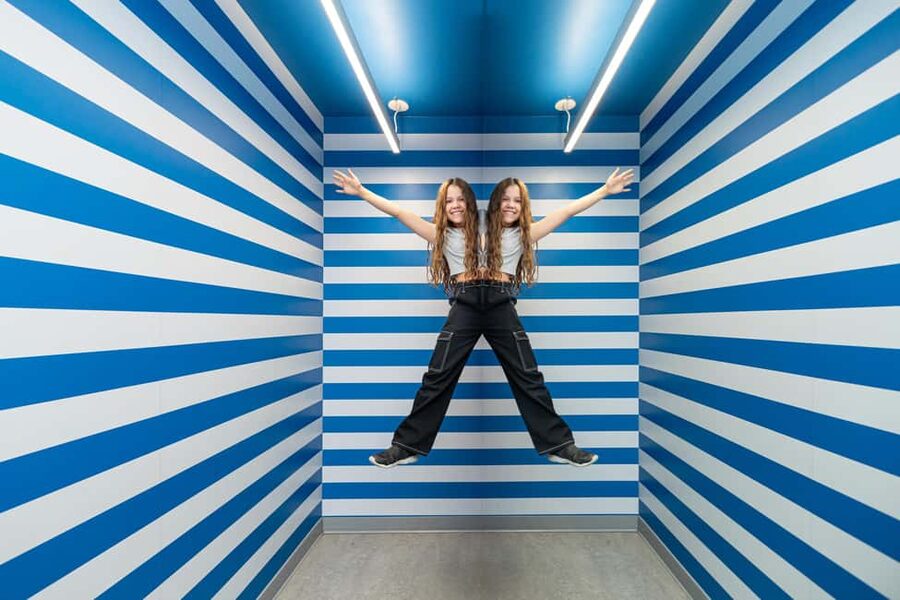
The big value here is that the visit is self-paced. That sounds simple, but it changes the whole experience.
If an exhibit gets your attention, you can stay with it. If a room feels like a quick hit, you can move on. And because the museum includes lots of photo-worthy setups, you can pace around the moments that are most “shareable” to you.
Practical photo strategy:
- Plan to take a quick snap first, then slow down for a second attempt.
- Don’t rely on one angle—many illusions are angle-sensitive.
- If you’re comparing between people (like kids vs adults), remind them that the illusion might look different from different spots.
Best Time to Come and How to Plan Your Hour
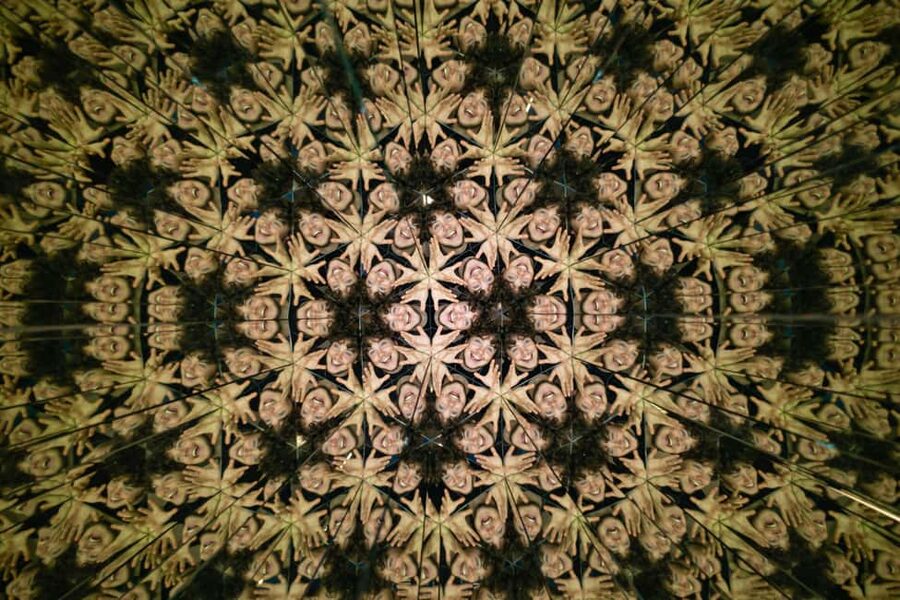
The activity notes that you should check availability for starting times, and the duration is 1 hour. That means it’s not a “park and wander all afternoon” stop. It’s more like a tight indoor circuit.
My advice: treat it as a scheduled activity even if you’re flexible. Once you enter, commit to the hour and focus. You’ll get more satisfaction when you don’t feel rushed, especially in the rooms that reward patience.
Who This Museum Works For (and Who Might Feel Frustrated)
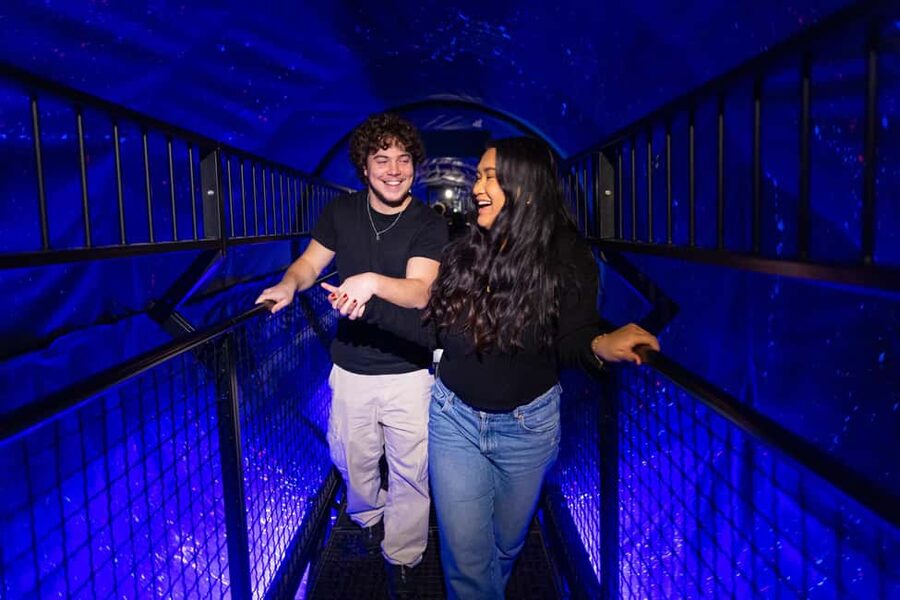
This is ideal for all ages, and it has a friendly, “play with your senses” vibe. If you’re traveling with family, this is a strong option because kids tend to get the fun right away, while adults often enjoy the moment they realize their brain is doing tricks.
It’s also a good date idea or solo activity. But here’s the nuance: a solo visit may feel less social. One review experience highlighted that it’s more fun with someone else, because some illusions land better when you can react together or show someone what you’re seeing.
If you’re going alone and want it to feel richer:
- Take short videos and watch them right away.
- Pick one or two “anchor exhibits” (like the infinity tunnel) so the trip doesn’t feel scattered.
- Spend a little extra time in the hologram or stereogram areas where you can form your own explanation.
Value for $25: What You’re Actually Paying For
At about $25 per person, the price feels fair for what you get: a full hour of interactive exhibits, built around the kind of visual effects that are hard to replicate elsewhere.
You’re not paying for a guide-led lecture or a long multi-stop tour. You’re paying for:
- 70+ exhibits in one location,
- a self-paced format (so your time isn’t wasted waiting),
- and the photo-friendly setup that makes the illusions easy to revisit and share.
If you’re a fan of optical tricks, perspective games, or hands-on learning, this is the type of ticket that usually feels worth it. If you want quiet, sit-down museum content, it may feel too playful.
Practical Tips Before You Go
Bring comfortable shoes. You’ll likely move through multiple rooms and spend time standing, stepping, and repositioning for photos.
Bring a camera (your phone camera works too). Many exhibits are designed for recording because the effect can shift slightly when you change your angle.
Go in knowing this is not suitable if you have vertigo. The museum uses balance and spatial cues, and that’s part of the fun.
Also note the visit is hosted in English (host or greeter). That’s useful if you have questions at the start, but the core experience is still self-led.
Should You Book the Museum of Illusions Montreal?
Book it if you want an easy indoor activity that mixes laughs, learning, and strong photo moments in about one hour. The best fit is families, friends, and couples, especially if you like sharing reactions and testing what your eyes think is true.
Skip or be cautious if vertigo is part of your travel reality. And if you’re going solo, plan to make it your “challenge hour,” with a couple of exhibits you’ll deliberately repeat (the infinity tunnel and the hologram/stereogram stations are great picks).
If you’re looking for something straightforward, fun, and different from your usual Montreal sightseeing, this ticket is a solid call.
More Tickets in Montreal

More Museums & Landmarks in Montreal

More Tour Reviews in Montreal






Not quite your thing? Here are other Montréal outings worth a look around Montreal











Montréal Museums & Landmarks, compared.
 ★ 4.7La Grande Roue de Montréal Entry TicketFrom $241,244 reviews
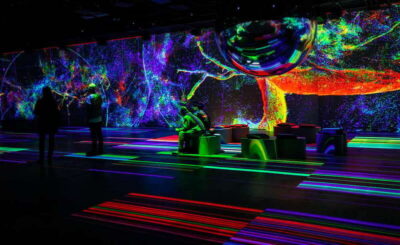 ★ 4.3OASIS Immersion Entry TicketFrom $26803 reviews
 ★ 4.35 Attractions PassFrom $72381 reviews
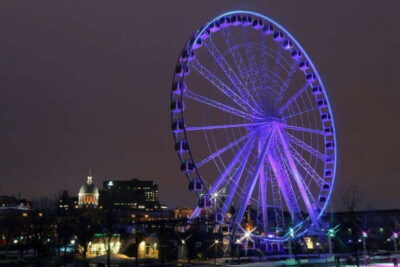 ★ 4.6Small Group Night Tour with La Grande Roue EntryFrom $90151 reviews
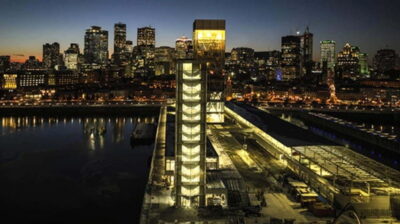 ★ 4.4Port of Montreal Glass Tower EntryFrom $12129 reviews
 ★ 4.4AURA Experience at Notre-Dame Basilica and CruiseFrom $72104 reviews
 ★ 4.0Museum of Illusions Montreal – 70+ Illusions to ExploreFrom $26103 reviews
 ★ 4.9Bell Centre: Montreal Canadiens Ice Hockey Game TicketFrom $22289 reviews
Browse the lists this tour appears in