Reviewed · MONTRÉAL
Montreal: Cooking Class & Lunch with Michelin-Trained Chef
A great meal should teach you something. This one pairs Michelin-trained sauce skills with Old Port cooking, then feeds you three courses tied to Montreal food cultures. I love the hands-on format where you actually cook a component, not just watch. I also love the practical coaching, especially how sauces and ratios separate home cooking from restaurant results. One thing to plan for: the start time can slide by 1–1.5 hours and your exact timing is confirmed just 24–48 hours before.
You’ll work in a private-group setting with clear, English instruction, then sit down for a 3-course tasting once the prep is done. The style leans French bistro technique, but the flavors come from Montreal’s mix of Caribbean, Asian, Persian, Middle Eastern, and Quebecois influences. The price feels fair for what you get, but if you want alcohol included, note that drinks are listed as not included.
In This Review
- Key things you’ll do (and why they matter)
- French-bistro technique with Montreal food culture flavors
- Meeting in the Old Port and handling the timing shift
- How the hybrid cooking class works: you cook one course, then you eat three
- Sauce ratios and flavor building: the chef lesson that keeps paying off
- Slicing, searing, poaching, and plating: real skills you can use tomorrow
- The 3-course tasting menu: Montreal food cultures, not a generic menu
- Who this class is best for (and who may feel it’s not their thing)
- Price and value: $128 for skills plus a full lunch
- Quick practical notes before you go
- Should you book this Montreal cooking class with Chef Rob?
- FAQ
- What is the duration of the cooking class?
- Where is the meeting point in Montreal?
- When does the class start?
- Is the class private?
- Is instruction available in English?
- Is this cooking class wheelchair accessible?
- What is included in the price?
- Are drinks included?
- How does the cooking part work for each guest?
- What is the cancellation policy?
Key things you’ll do (and why they matter)
- Cook with Chef Rob, Michelin-star trained guidance on technique and flavor building
- Make professional sauces using training on ratios (so you can repeat at home)
- Build one course as part of a team, so the class stays active and not lecture-heavy
- Practice real prep skills like searing, pan-roasting, oven poaching, and plating
- Eat a 3-course tasting that reflects Montreal food cultures you can name and recreate
French-bistro technique with Montreal food culture flavors
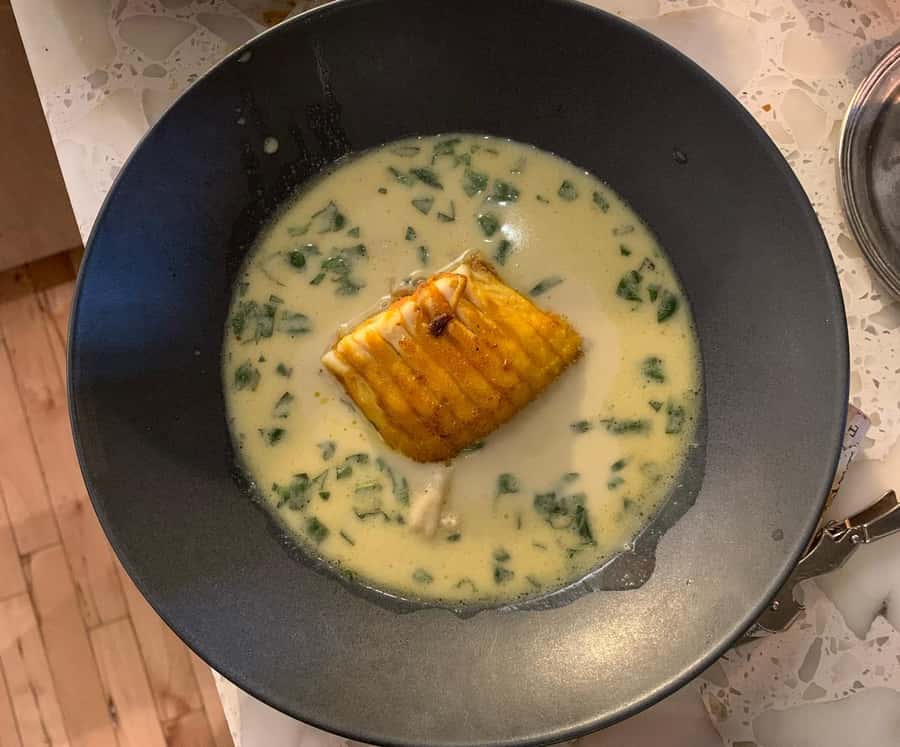
This class is built around a simple idea: technique is universal, but flavor should tell a local story. You’ll use French bistro-style methods as your toolset, then channel that into dishes inspired by Montreal’s food cultures. Think Caribbean spice notes, Asian influences, Persian/Middle Eastern flavors, and Quebecois touches showing up in the way the meal is framed.
The most useful part for you is that you’re not just handed a finished plate. You learn how the chef thinks—how to balance seasoning, how to build sauce structure, and how to plate so it looks as intentional as it tastes.
Browse a few more Montréal tours and experiences we have written up around Montreal.



Meeting in the Old Port and handling the timing shift
You meet at 375 Rue Saint-Paul East in the Old Port. Text when you’re downstairs and buzz number 5. When you walk up, keep quiet in the hallways—small detail, but it makes the start go smoothly.
Now for the one logistics point that truly matters: the start time varies. It usually lands in the afternoon, with start times ranging between 12:30 and 1:00 pm, and it can shift by about 1–1.5 hours depending on what they’re getting from farmers and fishermen. You’ll get the confirmed start time 24–48 hours before.
What I’d do if your schedule is tight: treat this as a flexible lunch plan, not a fixed-clock appointment. If you’ve booked another timed activity right after, leave a buffer.
How the hybrid cooking class works: you cook one course, then you eat three
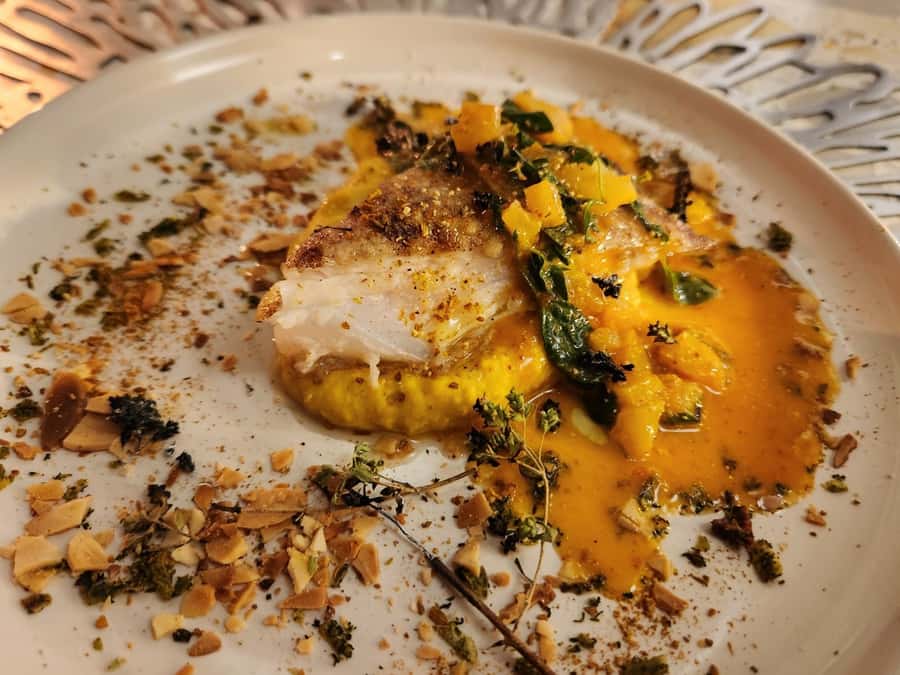
The format is hands-on and collaborative. The class is described as hybrid, meaning there’s a teaching component, but you also do real work. Here’s the rhythm you should expect:
- You work on one course during the cooking portion. Each guest collaborates on one dish, so you’re not standing around waiting for the menu to pass you by.
- You learn techniques as you go, like searing and pan-roasting, plus approaches like oven poaching and plating.
- Then you eat a 3-course tasting menu after the cooking is finished.
This setup is great value because you get both sides: you learn the process while the kitchen is active, and you still get a full meal afterward. It’s also a good way to try flavors you might not pick yourself on a Montreal menu—since the course themes are built around Montreal’s mix of cultures.
Sauce ratios and flavor building: the chef lesson that keeps paying off
If you like cooking, the sauce training is the core reason this class is worth your time. The experience includes professional training on ratios for making sauces, plus an introduction to flavor building. That sounds technical, but what it really means is: you’ll learn a repeatable method rather than a single recipe.
Here’s how it tends to show up in practice:
- You learn how to think about sauce thickness and balance, not just which ingredient goes in.
- You get coaching on how flavors connect—how something savory, acidic, and aromatic can work together.
- You’re shown plating basics too, so the dish lands on the table looking as designed as it tastes.
In reviews, Chef Rob comes up again and again for explaining technique clearly and patiently. People highlight how the guidance shifts you from copying instructions to building confidence—so you can recreate the results later without starting from scratch.
Slicing, searing, poaching, and plating: real skills you can use tomorrow
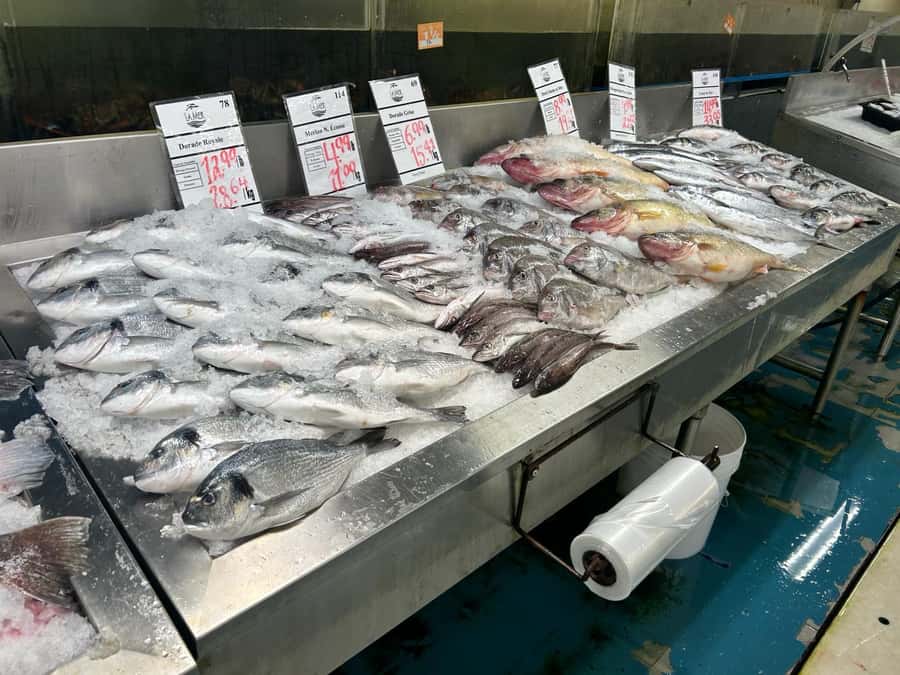
A lot of cooking classes are heavy on ingredients and light on method. This one focuses on method. You’ll practice multiple techniques tied to restaurant expectations:
- Searing (for flavor and texture)
- Pan-roasting (for caramelization and depth)
- Oven poaching (for gentler cooking and moisture control)
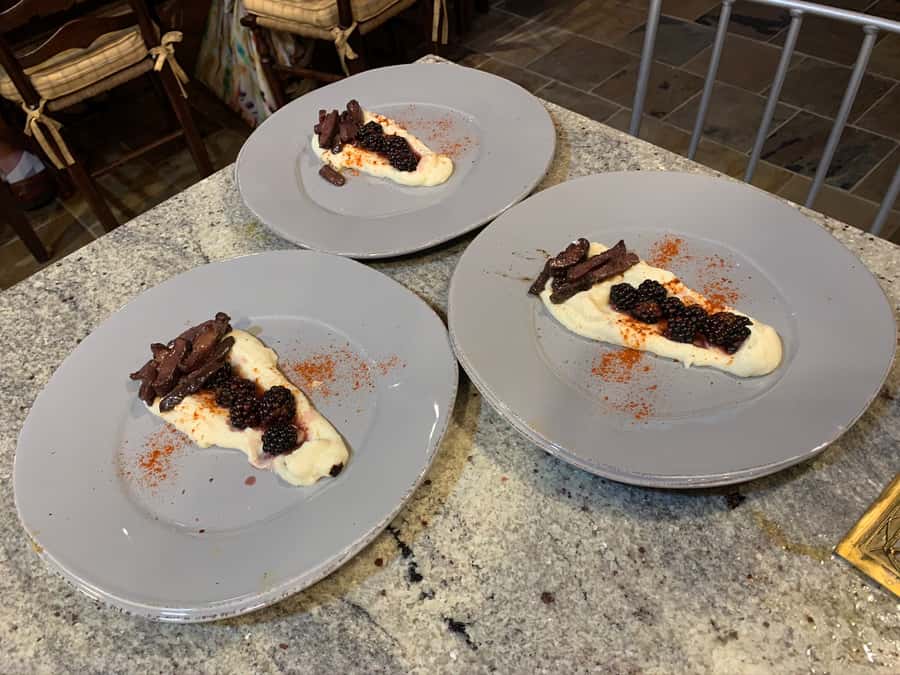
- Plating (so it looks like food with intention, not just food)
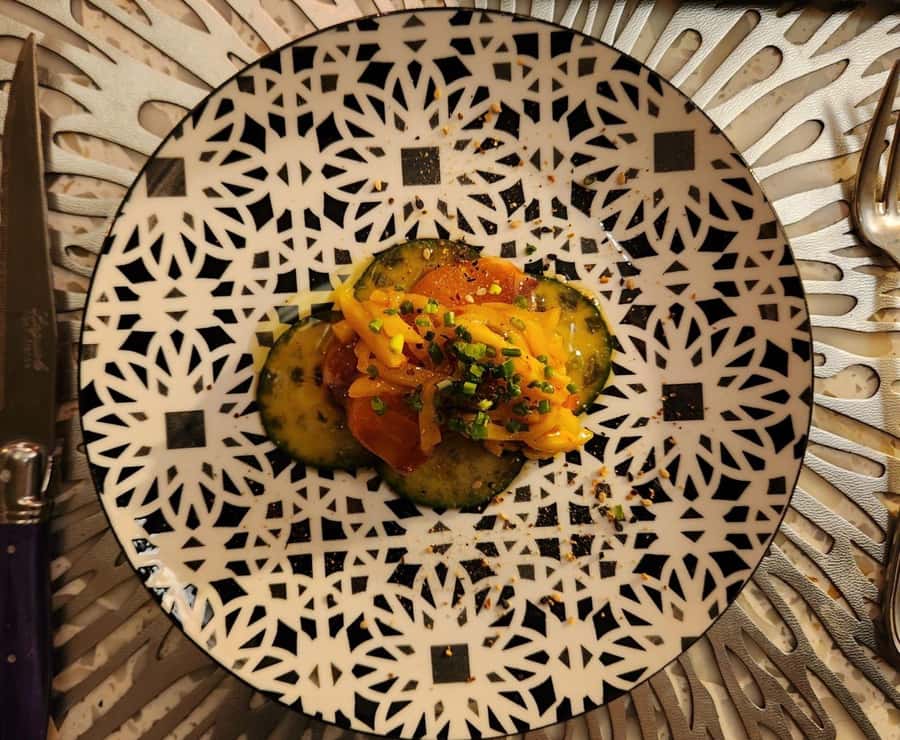
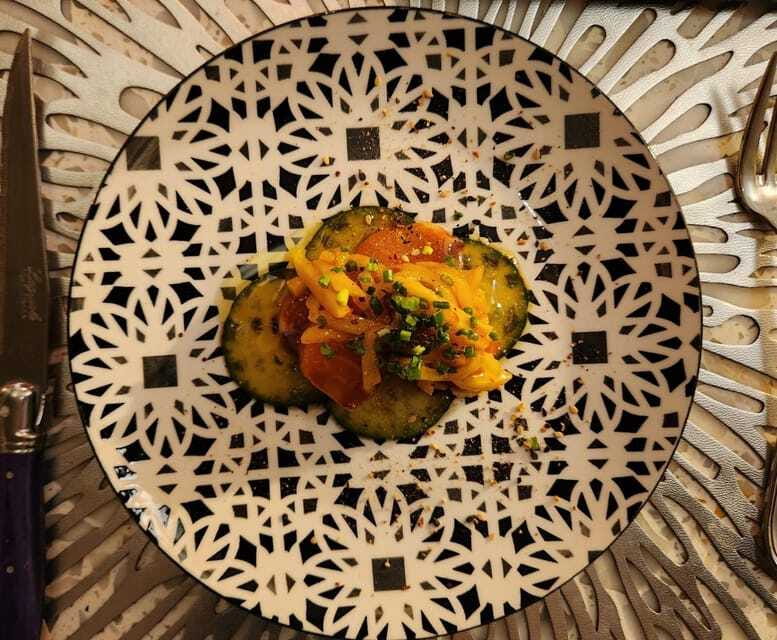
Small prep details matter here. One example that shows up in feedback is careful cutting—like how to cut cherry tomatoes without losing juice. Another is slicing technique and how to season while you prep. Even if you already cook at home, those “tiny” steps often make a meal better immediately.
The plating part is especially helpful for you if you want to host. You’ll see how portioning and composition changes the eating experience. It’s not about being fancy. It’s about making every bite feel planned.


The 3-course tasting menu: Montreal food cultures, not a generic menu
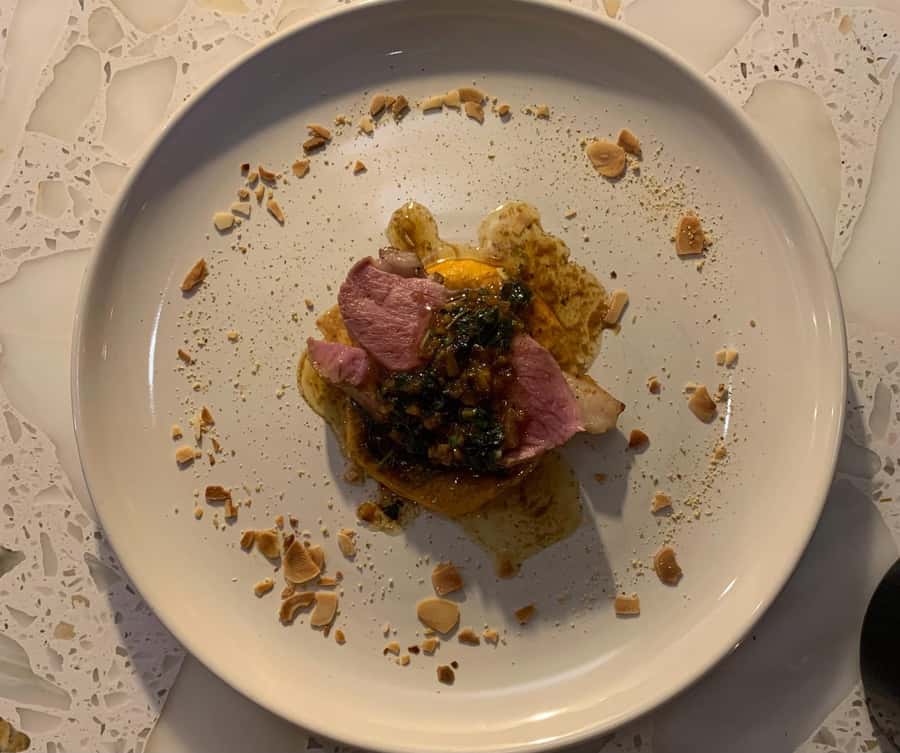
After cooking, you’ll enjoy a 3-course tasting menu inspired by Montreal’s food cultures. The description mentions stories shaped by cuisines like Caribbean, Asian, Persian, and French bistro cooking, with Quebecois influences also part of the mix.
The exact dishes can vary with ingredients sourced from farmers and fishermen, and that’s partly why start times shift. The upside: you’re tasting flavors built for the moment, not frozen predictability.
What you can count on:
- Each course connects to a theme, so you’re not eating three random plates.
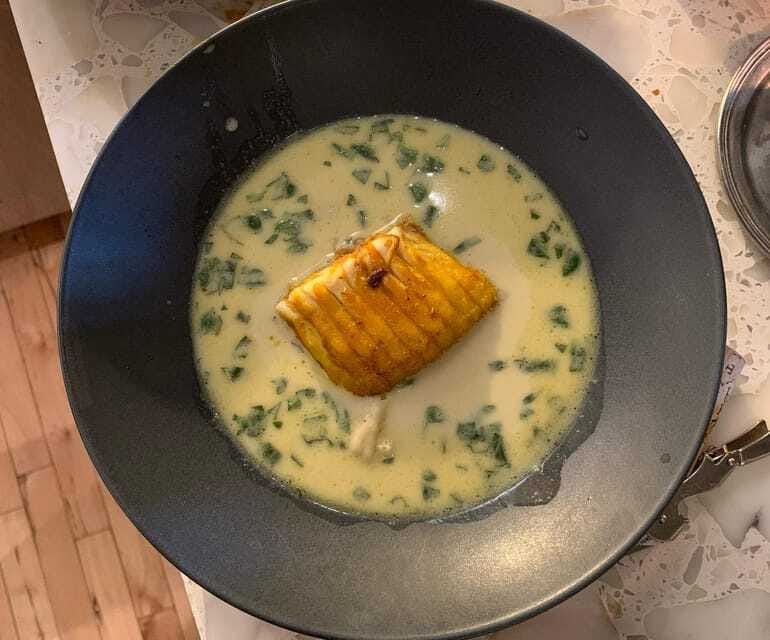
- You’ll likely taste a range—meat and seafood are both part of the experience described in feedback, including salmon and even duck in some sessions.
- You’ll have chances to try ingredients you might avoid at home. For instance, one guest noted a surprise with scallions paired beautifully with salmon, even for someone who normally avoids onions.
If you don’t drink alcohol: drinks are listed as not included. Some sessions may still involve beverage pairings, based on what people report, but I’d plan on keeping your focus on the food first.
Who this class is best for (and who may feel it’s not their thing)
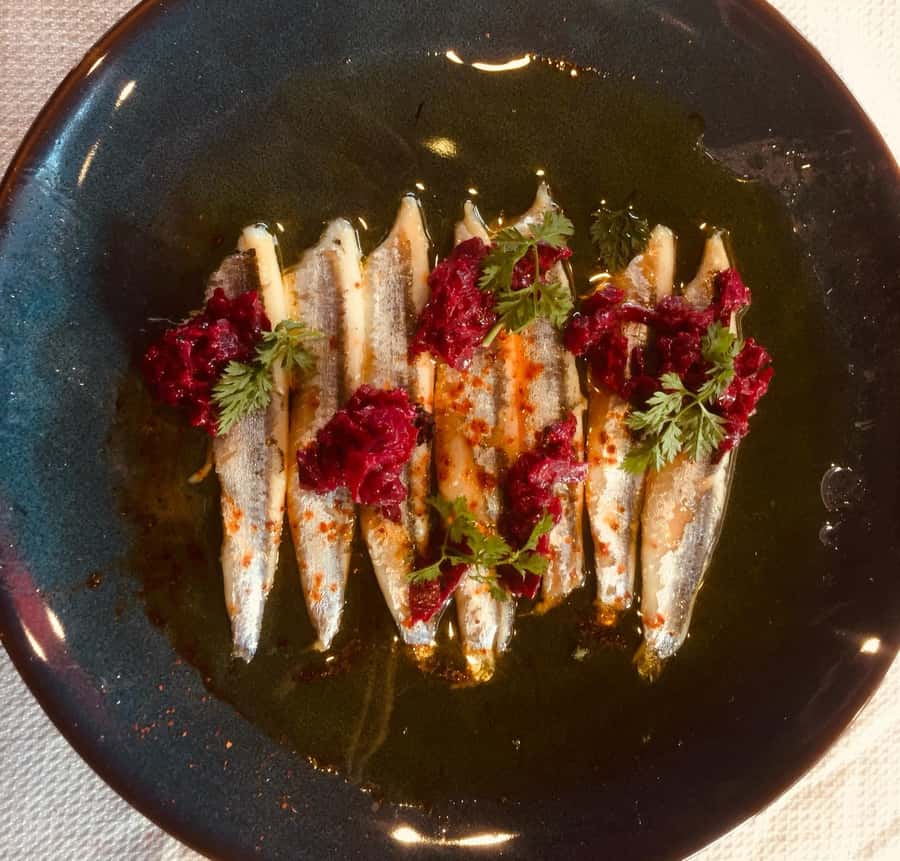
This is an excellent fit if you want a skill-forward lunch in the Old Port. It’s especially good for:
- Home cooks who want technique, not just a meal
- Couples or friends who like doing things together rather than watching
- Anyone who enjoys sauces, seasoning balance, and plating
It may be less ideal if:
- You need a strict, minute-by-minute schedule (start times can shift)
- You’re expecting drinks included as a baseline (drinks are listed as not included)
- You only want a hands-off tasting experience. This is active. You’ll cook.
Because it’s described as a private group, it’s also a comfortable choice if you want a calmer pace than big public classes.
Price and value: $128 for skills plus a full lunch
At $128 per person for about 2.5 hours, the value comes from two things you rarely get together:
- You learn professional techniques (sauce ratios, flavor building, plating).
- You eat a 3-course tasting menu after you do the work.
If you’ve ever taken a cooking class and felt like you paid mostly for a meal, this one aims to be different. You’re paying for the skill transfer—how to build flavor and sauce structure—so the class can pay you back in your own kitchen.
The meal alone might be worth something, but the point is the method. If you like cooking, the techniques are the long-term souvenir.
Quick practical notes before you go
- Language: English instruction
- Group style: private group
- Wheelchair accessible: yes
- Drinks: not included (you may see optional beverage elements depending on the session)
- Start time: confirmed 24–48 hours before, usually afternoon
- Meeting: text when downstairs, buzz 5 at 375 Rue Saint-Paul East, and stay quiet in hallways
If you’re planning other Old Port activities, I’d schedule something flexible before and after. This is a lunch window that behaves like a working kitchen, not a rigid theater show.
Should you book this Montreal cooking class with Chef Rob?
Book it if you want a Montreal experience that goes beyond eating. You’ll come away knowing sauce basics in a way that actually changes how your food tastes, plus you’ll practice real techniques you can repeat.
I’d skip it if timing rigidity is a dealbreaker for you, or if you want a classic sit-and-watch tasting with no hands-on cooking. Also think twice if you expected drinks to be included by default.
If you’re on the fence, here’s the simplest test: if you care about sauces, plating, and learning the why behind cooking steps, this class is a strong bet for your Montreal trip.
FAQ
What is the duration of the cooking class?
The duration is listed as 2.5 hours.
Where is the meeting point in Montreal?
You meet at 375 Rue Saint-Paul East in the Old Port. You should text when downstairs and buzz number 5. Keep quiet in the hallways when walking up.
When does the class start?
Start times usually fall in the afternoon, with the schedule varying between 12:30 and 1:00 pm. The confirmed start time is shared 24–48 hours before, and it may shift by about 1–1.5 hours based on farmer and fisherman deliveries.
Is the class private?
Yes. It is listed as a private group.
Is instruction available in English?
Yes. The instructor language is English.
Is this cooking class wheelchair accessible?
Yes. It is listed as wheelchair accessible.
What is included in the price?
Included items are a scholar’s introduction to global food cultures, professional training on sauce ratios, flavor building, plating introduction, and a 3-course tasting menu inspired by Caribbean, Asian, Persian, and French.
Are drinks included?
No. Drinks are not included.
How does the cooking part work for each guest?
Each guest collaborates on one course during the cooking portion, then everyone enjoys the full 3-course tasting menu after cooking is complete.
What is the cancellation policy?
Free cancellation is offered up to 24 hours in advance for a full refund.