
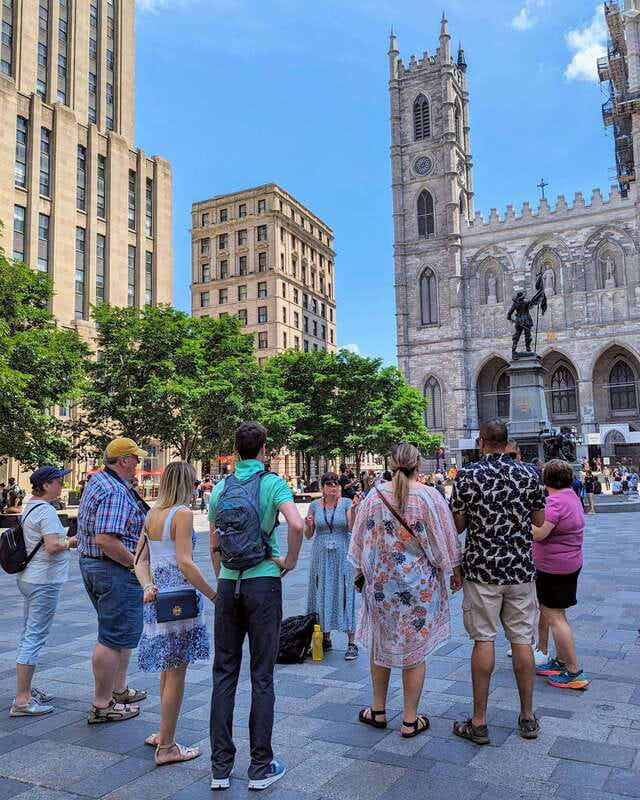
Reviewed · VIEUX-MONTRÉAL WALKING TOURS
Montreal: Top Rated Small Group Old Montreal Walking Tour
Old Montréal makes more sense on foot. This 10-guest walk keeps the streets calm enough to hear every detail and ask questions without feeling rushed. The guide is certified and tells the story behind the stones, from the big squares to the little lanes you’d likely miss. One drawback to plan for: it’s a real walking tour with cobblestones and stairs, so it is not ideal if you have mobility or vision limits.
I also love that this tour is designed for your first time in Montreal. You’ll see the major sights like Place d’Armes, the exterior of Notre-Dame Basilica, Place Jacques-Cartier, Bonsecours Market, and Saint-Paul Street, then connect them into a clear picture of how Old Montréal works. If you’re lucky enough to get a guide like Amelie, Martin, or Louise, you’ll feel the energy—lively storytelling, a friendly pace, and plenty of room to ask questions while you’re actually there.
And the small extras matter more than you’d expect. You get a handy list of trusted places to eat, drink, and explore nearby, plus a small treat and a unique parting gift—so the walking doesn’t end when the tour does.
In This Review
- Key highlights you will actually feel during the walk
- Why a 10-guest Old Montréal tour feels different on day one
- Meeting at Place d’Armes: how to find the start fast
- Place d’Armes: the square that sets the whole story
- Notre-Dame Basilica exterior: why the outside matters
- Place Jacques-Cartier: where the city shows its daily rhythm
- Bonsecours Market: history you can point to
- Saint-Paul Street: the difference between seeing and understanding
- Hidden corners: why the quiet parts matter
- The guide’s voice: why names like Martin and Louise keep showing up
- The small treat and parting gift: a nice send-off with real usefulness
- Price and value: why $46 feels fair for what you get
- Cobblestones, pace, and who should consider another option
- Who this tour suits best (and who it may not)
- Should you book this Old Montréal small-group tour?
- FAQ
- How long is the Montreal Old Montréal walking tour?
- What does the tour cost?
- How many people are in the group?
- Where does the tour meet?
- What language is the tour in?
- What is the minimum age to join?
- Is this tour suitable if I have mobility or visual impairments?
- Can I book with flexible payment and get a refund if plans change?
Key highlights you will actually feel during the walk
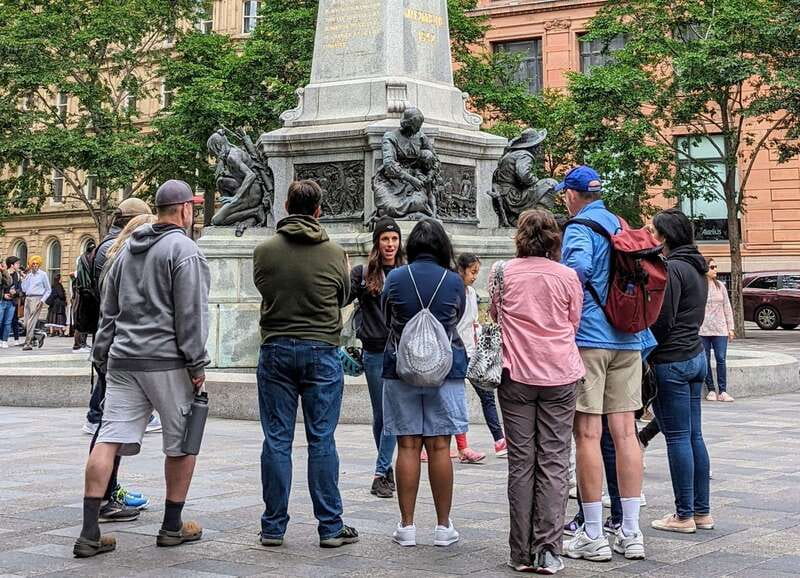
- Max 10-person group for an easy, audible pace on narrow streets and cobblestones
- Certified Montreal guide with an official city permit who focuses on people and reasons, not just dates
- A balanced route covering famous landmarks and overlooked corners of Old Montréal
- Stops built for photos and orientation, including Place d’Armes and Saint-Paul Street
- Local follow-up perks: recommendations list, a small treat, and a parting gift
Why a 10-guest Old Montréal tour feels different on day one
Old Montréal is charming, but it can also feel like an airport line when you’re stuck behind a crowd. The big win here is the strict cap of 10 participants, which changes the whole vibe. You can hear the guide, your group stays close without bumping shoulders, and questions don’t get shunted to the end.
That small scale also helps with how you experience the street textures. Cobblestones slow everyone down a bit, and Old Montréal has stairs, uneven edges, and tight corners. With a small group, the guide can manage the pace so you’re not constantly waiting for people to catch up—or feeling like you’re the one holding everyone back.
The second big reason I’d book this is the guide style. The tour is built around storytelling—real people, social changes, and the defining moments that shaped the city’s look and culture. You’re not getting a textbook readout. You’re getting a walking explanation that helps you understand why these buildings sit where they do, and what happened around them.
Keep wandering the cobblestones with more Vieux-Montréal walking tours from Montreal



Meeting at Place d’Armes: how to find the start fast
The tour starts outside a shop at 503 Place d’Armes, at the Marché Saint Laurent boutique & café. The shop is on the ground floor of the Edifice Aldred, a tall beige-stone building on the edge of Place d’Armes Square.
If you’re standing in the middle of the square and facing the Notre-Dame Basilica, the café is off to your left. Your guide greets you on the sidewalk outside the café entrance.
Practical tip: arrive a few minutes early, especially if you’re still orienting yourself. Old Montréal squares are easy to circle, and you don’t want to waste your first stop hunting for the group.
Place d’Armes: the square that sets the whole story
Place d’Armes is often where you can get turned around fast. You see the buildings, you take the picture, and then you move on. On this tour, it becomes the start of the logic. The guide uses this location to explain how Old Montréal grew in layers—political decisions, community life, and architectural choices that still show up today.
This is where the tour earns its value. Instead of treating landmarks like isolated photo spots, you get context you can carry forward. By the time you reach later stops like Bonsecours Market and Saint-Paul Street, you’ll already know what kind of city you’re walking through.
One practical upside: the square also helps you mentally reset. Even if the weather is windy or gray, you’ve still got a clear place to orient before you head into the narrower lanes.
Notre-Dame Basilica exterior: why the outside matters
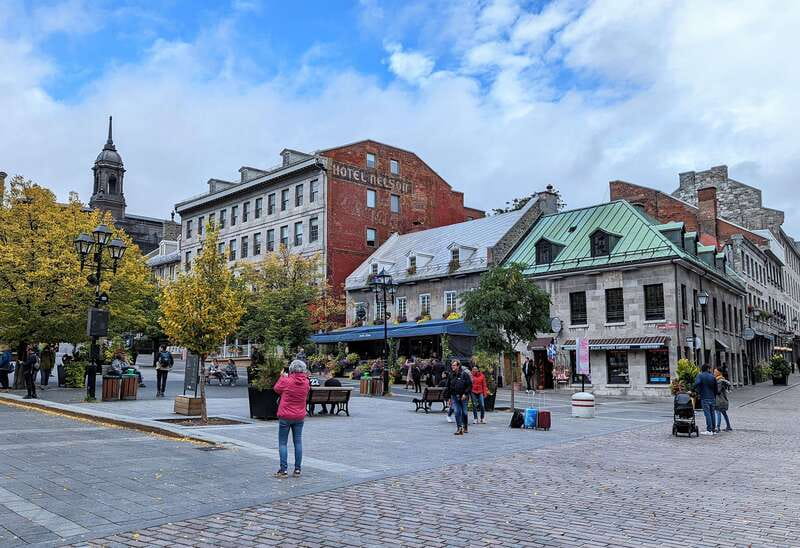
You’re not going inside Notre-Dame Basilica on this tour, but you do get what most people skip: an informed look at the exterior and the meaning behind it. The guide points out architectural details and places them within the bigger story of Montreal’s development and identity.
For me, this is a smart way to do it. Many visitors run from one indoor stop to another. Here, you get the exterior as a “visual anchor” while your mind is still open to history and symbolism. You’ll also be able to connect what you’re seeing to the rest of the Old Montréal route.
If you’re the type who loves to notice details—stonework, layout, and how the street frames the building—this part will likely feel satisfying even without entering.
Place Jacques-Cartier: where the city shows its daily rhythm
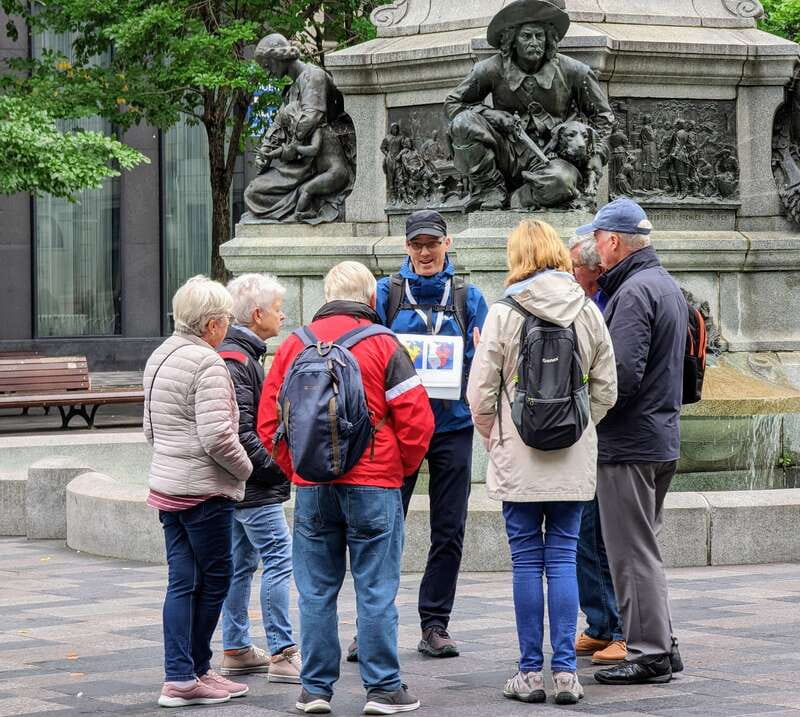
Place Jacques-Cartier is one of those spots that can look like just another square until somebody explains how it functions as a cultural crossroads. During the walk, you’ll use this stop to understand how commerce, community life, and civic space overlap in Old Montréal.
This is also where the tour helps you read the neighborhood. The guide connects what you see around you—street patterns, building placement, and public space—with how people historically moved through the area. It’s the difference between sightseeing and actually understanding.
The terrain here is still very walkable, but you’ll notice the cobblestones and the occasional step. Wear shoes you trust, because you’ll be on foot the entire time.




Bonsecours Market: history you can point to
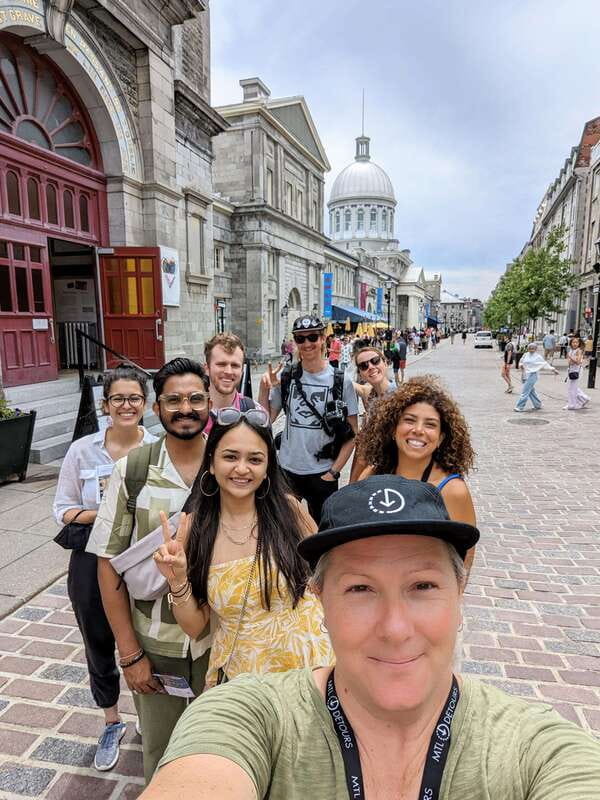
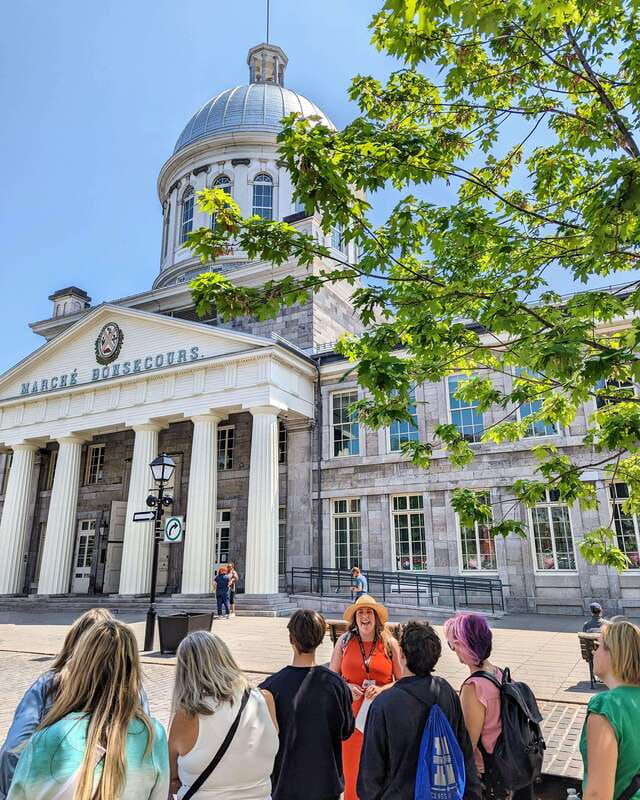
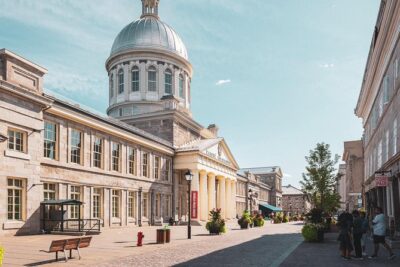
Bonsecours Market is a key landmark on this route, and it’s included for a reason: it’s easy to spot, and it’s easy to turn into a story. The guide uses the building and its setting to connect past and present—how markets shaped daily life, how public spaces work, and how Montreal’s identity shows up in the built environment.
I like that this isn’t treated as a “quick photo, move along” stop. The tour gives you enough attention to understand why the market matters, not just that it exists. If you’re interested in how cities organize themselves through institutions like markets and public buildings, this segment will land well.
And if your guide takes time to point out interior details when possible, you’ll get an extra layer—something that several guides seem to do when the setting allows.
Saint-Paul Street: the difference between seeing and understanding
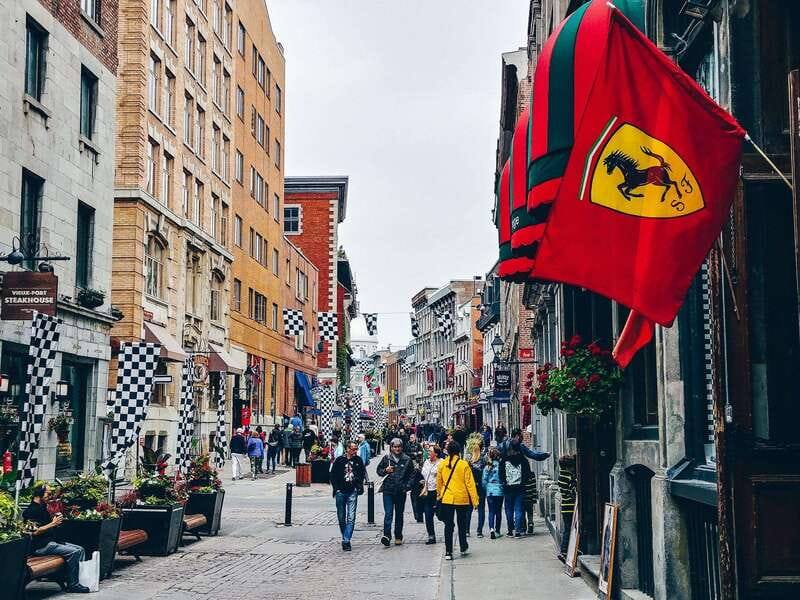
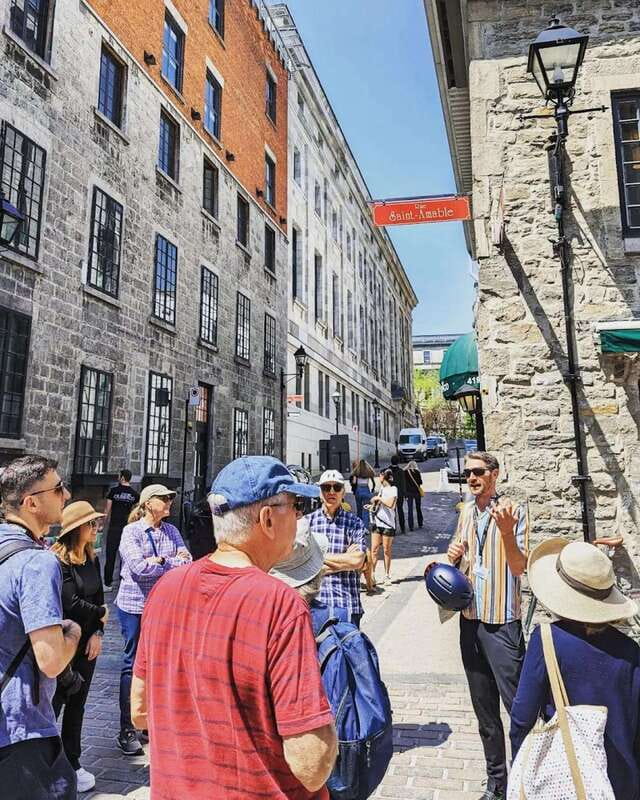
Saint-Paul Street is one of Montreal’s most recognizable streets. Crowds like to gather there, and it’s easy to treat it as a souvenir corridor. On this tour, Saint-Paul becomes a way to understand the neighborhood’s character—how the city’s past shaped what you see now, and why certain buildings and street moments feel so distinct.
Because the group stays small, you’re less likely to feel trapped in a flow of people. You can slow down, listen, and look around. The guide helps you catch details you would otherwise skip, like the way different sections of the street reflect different time periods and priorities.
This is a good stop for photos, too—but don’t rush it. The best part is when you can shift from camera mode to street-reading mode.
Hidden corners: why the quiet parts matter
Old Montréal’s big landmarks get attention for a reason, but the tour earns its rating by including hidden corners and less obvious angles. These are the moments where your brain starts working like a local: you notice the street geometry, the human scale, and the contrast between preserved architecture and everyday life.
In practical terms, these quieter parts are also easier to experience in a small group. With fewer people around you, the guide can keep moving at a steady pace and still give you time to ask questions.
If you like tours that help you see the city’s personality rather than only ticking boxes, these sections are where you’ll feel the pay-off.
The guide’s voice: why names like Martin and Louise keep showing up
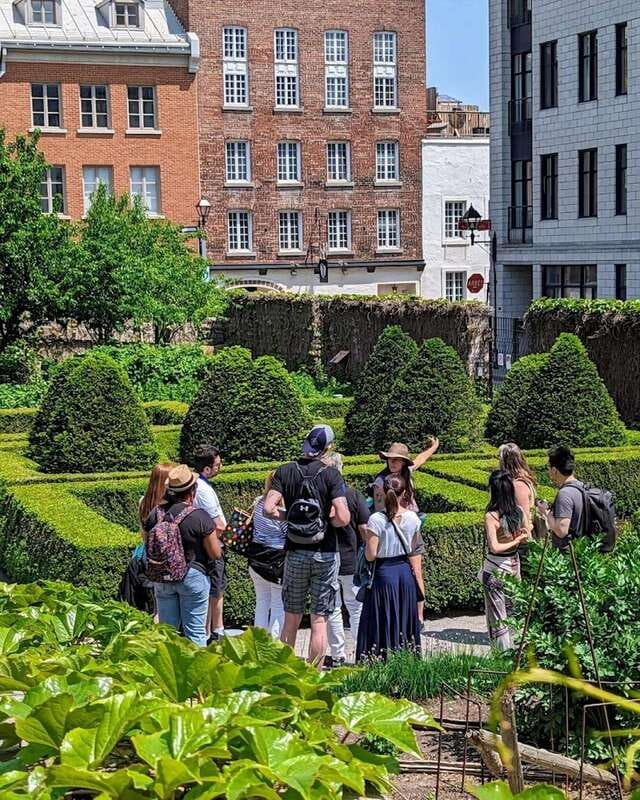
A lot of walking tours claim they have “great guides.” This one has a pattern in the feedback: guides are praised for being engaging, funny, and quick to answer questions without turning the tour into a lecture.
You’ll hear different personalities depending on who you get. People have highlighted guides like Martin, Amelie, Louise, Elise, Sylvia, Jeff, Rod, Caroline, Ellie, Gabriella, and Isabelle for things like pacing, humor, and turning history into scenes you can picture.
Even if you don’t care about history for its own sake, this guide style helps you enjoy the walk more. When the storytelling has energy, the time passes fast and you end the tour with your bearings.
The small treat and parting gift: a nice send-off with real usefulness
This tour includes more than just walking and talking. You’ll receive a small local treat and a unique parting gift at the end, plus a trusted list of local recommendations.
That recommendations list is genuinely useful if you plan to explore after the tour ends. Old Montréal has endless food options, but they’re not all worth your time. A guide-made list helps you narrow quickly—especially if you’re only staying a short time.
The parting extras also help you feel like you got something tailored to your trip, not just a generic souvenir.
Price and value: why $46 feels fair for what you get
At $46 per person for about two hours, the price lands in the reasonable zone for a certified, permit-holding guide in a top sightseeing area. What makes it feel like value is what’s included with that time: a small group limited to 10, local recommendations, and small extras to keep the experience going after you stop walking.
Also, you’re not paying for a transportation shuttle or hotel pickup here. That can actually be a positive. You’re starting right in Old Montréal at Place d’Armes, so you spend your time on the route instead of commuting.
If you want a quick orientation plus stories that make the streets make sense, this is the kind of tour that can help you get more from the rest of your day.
Cobblestones, pace, and who should consider another option
This is a walking tour at a decent pace over a fair distance. Old Montréal’s ground is uneven—cobblestones, occasional steps, and narrow stretches—so it’s best if you’re comfortable on your feet.
It also is not recommended for people with physical or visual impairments or mobility restrictions, based on the terrain and the length.
Weather is also a factor. The tour runs in all weather conditions, so you’ll want layers if it’s cold or wet. Comfortable shoes are a must.
If you’re traveling with kids, note the minimum age is 12.
Who this tour suits best (and who it may not)
This tour is a great fit if you want an organized Old Montréal experience without the chaos. It works especially well when:
- You’re visiting for the first time and want to get oriented quickly
- You prefer small groups where you can hear and ask questions
- You like stories tied to real places, not just dates and names
- You want a practical recommendation list to help you choose food and activities afterward
It may not be the best match if:
- You need step-free routes or have limited mobility
- You have visual limitations and need a different style of tour
- You strongly prefer long stays at individual stops and hate moving at a steady walking pace
Should you book this Old Montréal small-group tour?
If you want the fast, friendly path to understanding Old Montréal, I think it’s a strong booking choice. The combination of a small group cap, a certified guide, and landmarks like Place d’Armes, Notre-Dame exterior, Place Jacques-Cartier, Bonsecours Market, and Saint-Paul Street makes it a practical first-day move.
Book it if you like your history told like a story and you want helpful local follow-up. Consider skipping it if you need accessibility accommodations that the cobblestones and pace can’t support.
If you’re choosing between a big group tour and an intimate one, this is the direction I’d lean—because the streets are narrow, the details matter, and the small-group format is where the experience truly improves.
FAQ
How long is the Montreal Old Montréal walking tour?
It lasts 2 hours.
What does the tour cost?
The price is $46 per person.
How many people are in the group?
The tour is limited to a maximum of 10 participants.
Where does the tour meet?
The meeting point is outside the Marché Saint Laurent boutique & café at 503 Place d’Armes, on the ground floor of the Edifice Aldred. Your guide meets you on the sidewalk outside the café entrance.
What language is the tour in?
The tour is in English.
What is the minimum age to join?
The minimum age to join is 12. All participants need a paid ticket, and minors must be accompanied by an adult.
Is this tour suitable if I have mobility or visual impairments?
The tour is not recommended for travelers with physical or visual impairments or mobility restrictions due to the varied terrain (cobblestones and stairs) and the length of the tour.
Can I book with flexible payment and get a refund if plans change?
Yes. You can reserve now and pay later, and you can cancel up to 24 hours in advance for a full refund.
More Tours in Montreal
More Vieux-Montréal Walking Tours in Montreal


More Tour Reviews in Montreal
Not quite your thing? Here are other Montréal outings worth a look around Montreal












Vieux-Montréal Walking Tours, compared.
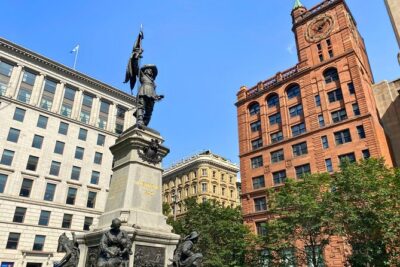 ★ 4.5The Original Old Montréal Walking Tour by GuidatourFrom $262,217 reviews
 ★ 5.0Old Montreal Small-Group Walking Tour | Max 10 | by MTL DetoursFrom $442,088 reviews
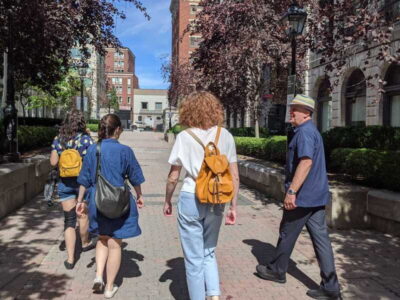 ★ 4.8The Original Old Montréal Walking TourFrom $25911 reviews
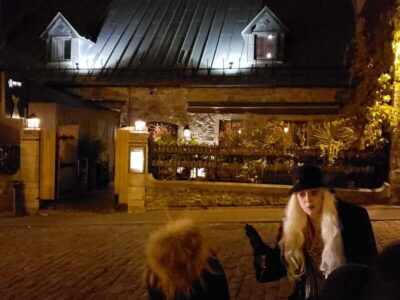 ★ 4.7Old Montreal: Traditional Ghost Walk of the Haunted CityFrom $24746 reviews
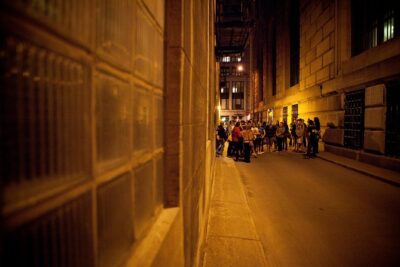 ★ 4.5Old Montreal Ghost Walking TourFrom $26726 reviews
 ★ 5.0The Essential 101 Non-Touristy Walking Tour by Spade & PalacioFrom $51716 reviews
 ★ 5.0Walking tour of Old Montreal – 16/42 ToursFrom $27592 reviews
 ★ 4.5Montreal Old Port: Urban Zipline TicketFrom $21489 reviews
Browse the lists this tour appears in