
Reviewed · UNDERGROUND CITY (RESO) TOURS
Discover Montreal’s Underground City – Reso
Berlin Wall to RESO in one smooth loop.
This 2-hour Underground City orientation is a fun way to understand Montreal when winter makes street-walking feel like a bad idea. I like that it mixes street-level landmarks with the indoor world below, so you get the why, not just the where. I also love the small group size (max 10) because you can actually ask questions and keep up. One thing to consider: it involves a fair bit of walking plus stairs and escalators, so plan for moderate movement.
The best part is how the route turns confusing corridors into a logical system you can reuse. With Misha leading, you get practical navigation tips and plenty of local context, including how the underground connects to major transit points. If you’ve ever stared at an entrance and wondered how to find your way back, this kind of guided setup pays off fast. My only caution is that the start and stop points are spread across a real urban mix of outdoor sights and indoor passages, so you’ll want comfortable shoes.
If you want a short, high-value orientation to Montreal’s underground, this is built for you.
In This Review
- Quick hits before you go
- Montreal’s Underground City and the RESO logic in 2 hours
- Meet your guide: why Misha’s style matters for navigation
- Start strong at René-Lévesque O: your easiest meeting point to find
- First stop energy: Berlin Wall and Amphitrite’s statue
- The Berlin wall
- Statue of Amphitrite, wife of Poseidon
- Marche Saint-Laurent and Lipstick Forest: art and texture before RESO
- Indoor skating rink: why this stop feels practical, not touristy
- Montreal main train station: the transit bridge you’ll use later
- RESO passage through the Underground City: how it stops being a maze
- What makes this tour good value at about $30.04
- Timing and walking reality: plan for stairs and escalators
- How to use what you learn after the tour
- Who this RESO Underground City tour fits best
- Should you book the Underground City – RESO tour?
- FAQ
- How long is the Underground City – RESO tour?
- What does the tour cost?
- Do I need a printed ticket?
- What is the group size like?
- Is the tour physically demanding?
- What is the cancellation policy?
Quick hits before you go
- Small group under 10 means less waiting, more Q&A, and faster follow-through
- Misha’s mix of practical navigation and city context helps you plan the rest of your trip
- RESO’s cruise-ship vibe makes the underground feel less like a maze and more like a route system
- Art stops like the Berlin Wall and Lipstick Forest add personality before you head fully indoors
- Indoor winter comfort stops help you see how Montreal uses its underground in real life
- Useful tips after the tour make it easier to ride the metro and explore on your own
Montreal’s Underground City and the RESO logic in 2 hours
Montreal’s underground can feel like a secret world. But on a first visit, it can also feel like a set of disconnected tunnels. This tour is designed to fix that problem quickly. In about 2 hours, you go from famous points in central downtown to the RESO passages, learning how connections work and where people naturally link up for shopping, food, and everyday errands.
One detail I particularly like from how the experience is described: it often gets compared to a cruise ship vibe. That makes sense. The underground is orderly, bright enough to feel comfortable, and built for movement. You’re not just looking at walls—you’re walking the same kind of routes locals use when the weather turns annoying.
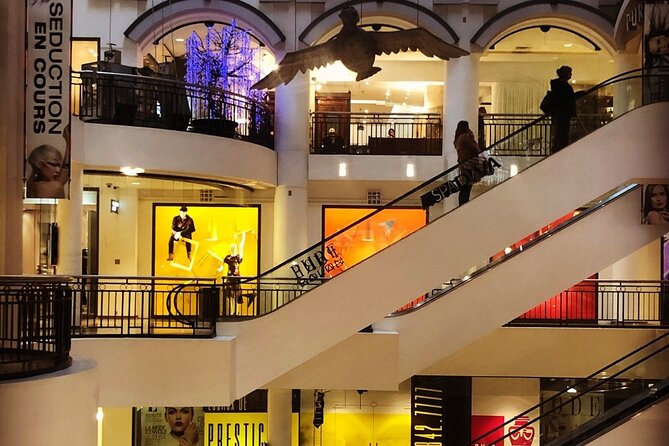
And yes, the underground isn’t a single corridor. It’s linked spaces that can include lots of shops and places to eat, plus things like an arcade and movie theatre and multiple malls connected through the network. The guide helps you understand which parts matter for getting around, not just what’s down there.
Duck below street level with more RESO and downtown walks in Montreal



Meet your guide: why Misha’s style matters for navigation
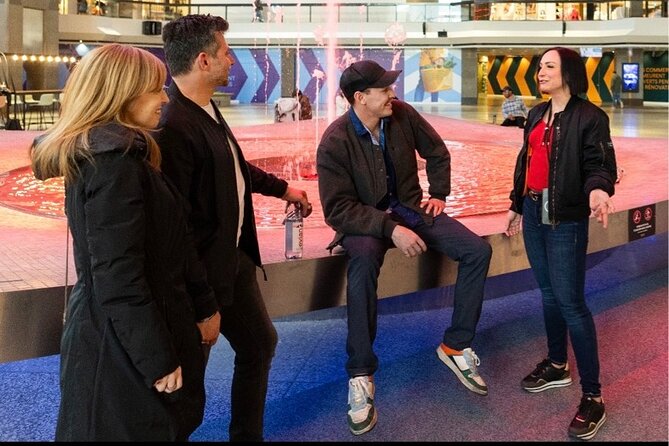
This is the kind of tour where the guide changes everything. With a max group size of 10, Misha can keep everyone together without turning the walk into a herding exercise. The feedback you’ll hear about this tour centers on two practical strengths: Misha’s friendly approach and her ability to explain what you’re seeing in a way that’s easy to apply later.
Here’s what you can expect from that guiding style:
- You’ll get helpful navigation tips so the RESO doesn’t stay mysterious after the tour.
- You can ask questions and get real answers while you’re walking, not at some distant end point.
- You’ll also receive tips for continuing after the tour, including how to explore underground and transit confidently.
A nice bonus from the experience as described: Misha may hand out small maps for keeps. Those little references help you remember routes and entrances when you’re out exploring later—especially if you’re visiting in winter and your brain is busy doing survival math like Which entrance is closest?
Another point worth noting: the tour has been described as alternating between English and French, which can make a big difference if you’re trying to catch context without feeling left out.
Start strong at René-Lévesque O: your easiest meeting point to find
You begin at 175 Boul. René-Lévesque O, Montréal. The meeting spot is outside the Cathcart in central downtown, and Time Out Market is right beside it.
That matters more than people think. If you’ve ever tried to meet a tour group in a big downtown area, you know how easy it is to show up late just because one landmark is hard to spot. This one is anchored by a named street and a nearby destination you can recognize fast.
You’ll end at The Ring, 1048, Montreal. The fact that you don’t come back to the exact same start point fits how underground-city walking actually works: you’re meant to learn the system, not do a loop that feels like a shortcut back to the beginning.
First stop energy: Berlin Wall and Amphitrite’s statue
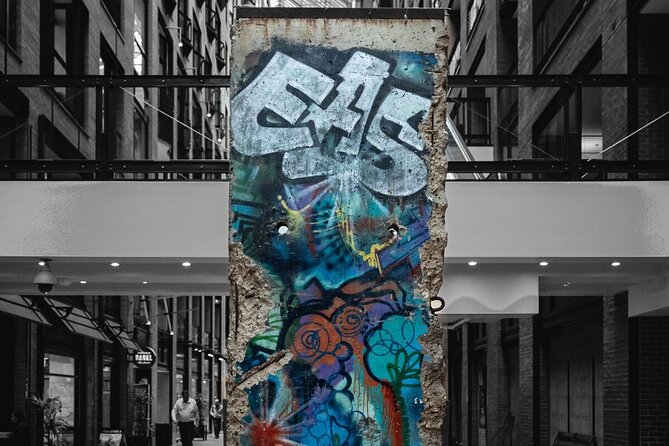
Early on, you’ll hit two standout stops that aren’t about the tunnel at all. They’re about context—Montreal’s references, ideas, and the way the city places art and meaning in public spaces.
The Berlin wall
Seeing the Berlin Wall stop first gives the tour a strong “how history echoes in the city” feel. Even if you already know the broader story, the point here is to notice how Montreal uses public space to connect visitors to larger themes. It’s also a helpful mental reset before the underground part starts.
See the sights on more city tours around Montreal





Statue of Amphitrite, wife of Poseidon
Then you move to a myth-based sculpture: the Statue of Amphitrite, wife of Poseidon. This is a good moment to slow down and look. Underground tours can rush you toward the practical. This stop reminds you that the above-ground city has identity too—myth, symbolism, and design choices that make the walk feel more like cultural sightseeing and less like commuting.
A small drawback to keep in mind: these early stops are more sightseeing-style than tunnel navigation. If you only want RESO route tips with zero extra context, you might wish the tour stayed fully underground sooner. But those stops make the underground feel less random.
Marche Saint-Laurent and Lipstick Forest: art and texture before RESO
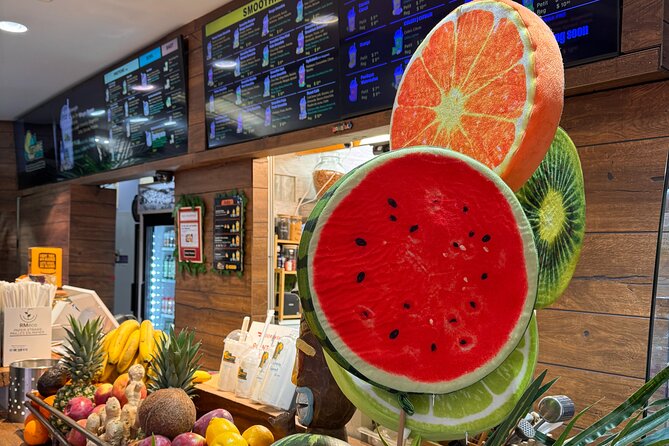
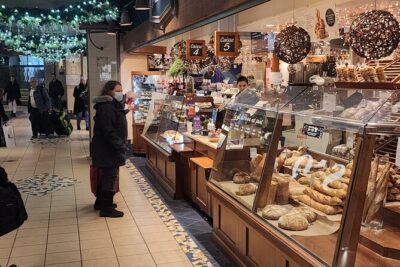
Next comes a shift. You’ll visit Marche Saint Laurent, a stop that adds everyday life energy to the route. Even if you don’t plan to shop, market areas help you understand what the underground city supports: quick access to food, errands, and social life, especially when weather changes.
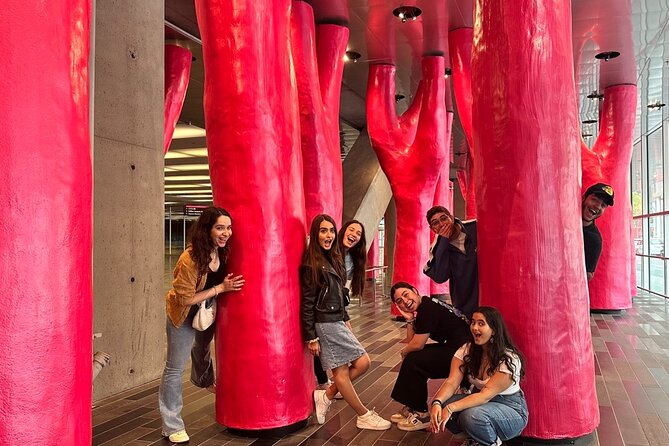
Right around that zone, you’ll also see Lipstick Forest. That name alone signals public art with personality. This is a great stop for two reasons:
- It gives you a visual break so your camera (and your brain) isn’t stuck underground-mode.
- It shows how Montreal blends playful, recognizable art into the movement patterns around downtown.
If you’re the type who enjoys urban details—signs, sculptures, and the way the city frames itself—these above-ground stops are a real win before you head indoors.
Indoor skating rink: why this stop feels practical, not touristy
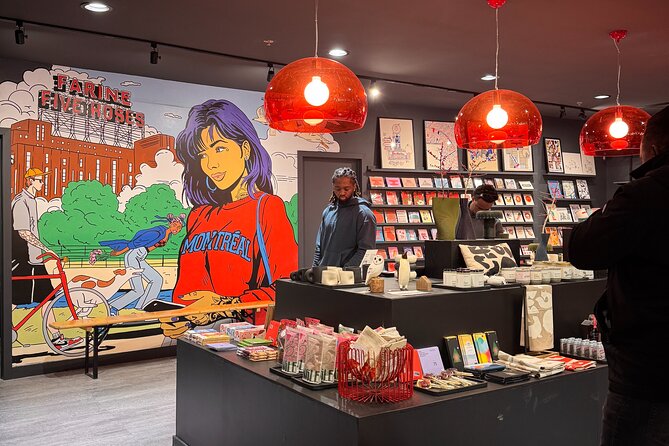
One stop on the route is an indoor skating rink. This is the point where the Underground City stops being a novelty and becomes a winter survival plan.
Even without getting technical, the message is clear: Montreal designs indoor spaces for everyday enjoyment and movement. Skating is iconic here, and placing an indoor rink into a connected route system makes it feel less like a standalone activity and more like part of the city’s season-long rhythm.
This is also a nice moment for your pacing. By the time you reach an indoor stop like that, you’ve already learned a few navigation cues. So you can actually start noticing how the underground connects moods: art and markets above, then warmth and activity inside.
Montreal main train station: the transit bridge you’ll use later
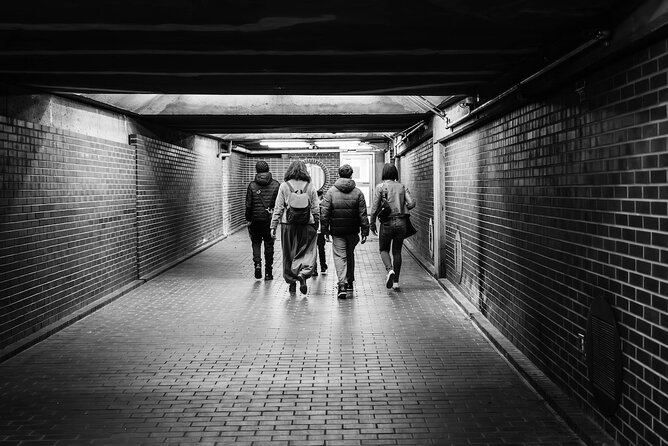
The tour also passes through Montreal’s main train station. This stop is valuable because it anchors the underground system to a place you’ll likely care about during your whole trip.
When you understand how major stations connect to underground passages, you stop feeling lost. You also start seeing likely routes for getting to places without fighting the weather. Even if you don’t ride the train, this is the kind of landmark that helps you build a mental map fast.
Look at it this way: after a guided orientation, you’re not only learning the tunnels. You’re learning the logic of where the entrances sit and how moving from one major hub to another works.
RESO passage through the Underground City: how it stops being a maze
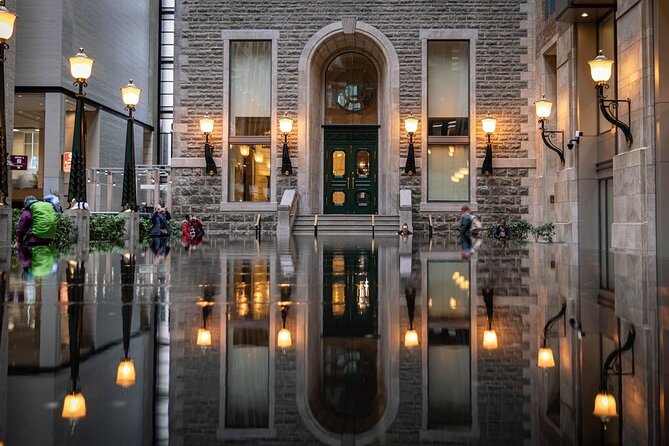
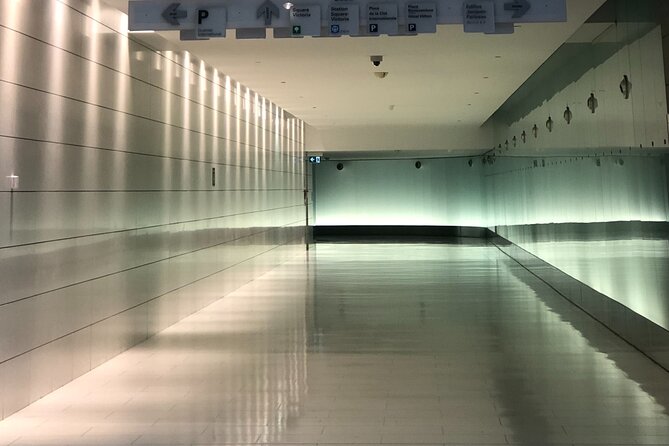
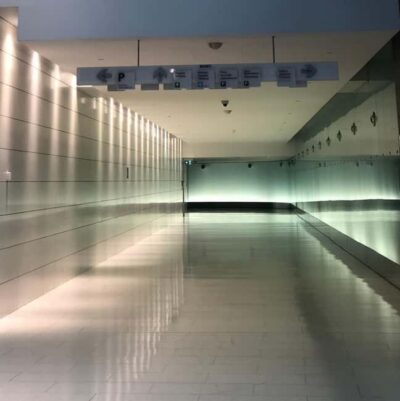
Now you’re fully in what people come to see. You’ll pass through the RESO, and then you’ll reach a final landmark stop to close the loop.
This is where the cruise-ship vibe really clicks. The underground isn’t just “under the city.” It’s an organized network built for people to walk through it comfortably. The guide’s job is to help you recognize the routes, so you can repeat them later.
From the experience as described, the tour shines because you learn in three layers:
- Wayfinding: how to connect corridors and understand which direction matters
- Practical stops: where you can grab food, browse shops, or find things like an arcade or cinema within the connected areas
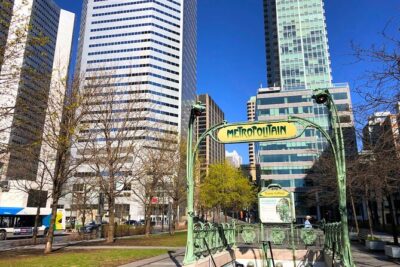
- Transit confidence: how the underground relates to the metro system so you can move without second-guessing every turn
One reason this matters so much is that underground navigation is different from above-ground navigation. Street intersections give you clear sightlines. Underground spaces can feel similar from one end to another. A guided route gives you anchors—visual references, entrance cues, and a sense of sequence—so you don’t waste your best vacation energy figuring out the basics.
What makes this tour good value at about $30.04
At $30.04 per person for about 2 hours, the price is less about buying entertainment and more about buying time and confidence. In other words: you’re paying to avoid getting lost and to learn the shortcuts that make the rest of your trip easier.
This tour can be especially good value if:
- You’re visiting during cold months and want a realistic way to keep moving outdoors-free
- You plan to use metro and underground connections while sightseeing
- You’d rather spend 2 hours learning a system than spend 2 days guessing your way through it
Also, it’s typically booked about 26 days in advance on average. That’s often a sign the tour stays popular, likely because it’s useful and the group stays small.
Timing and walking reality: plan for stairs and escalators
The experience is listed for a moderate physical fitness level. Based on the way people describe it, you should expect walking plus stairs, escalators, and underground passages. That’s normal for any connected-city underground experience, but it’s still good to know up front.
My practical advice:
- Wear shoes you can walk in for a couple of hours.
- Bring a layer even if you think you’ll only be outside briefly.
- If you get tired on stairs, pace yourself and let the guide know you need a slower rhythm.
There’s also a good chance you’ll walk more than you think, because underground routes often include small detours and connection points. The small group helps here: you’re not stuck behind a slow pace for long, and you can keep moving.
How to use what you learn after the tour
One of the best outcomes in the feedback is confidence after the walk. People often come away feeling they can navigate both the underground and the metro system more easily.
Here’s how to turn that into a smart plan on your next day:
- Pick one or two destinations you want to reach using underground connections, not just street routes.
- Use the small maps for keeps (if provided) as a quick reference while you decide which entrance to take.
- Ask yourself a simple question as you explore: Where is the nearest major hub I learned today?
If you want photo opportunities, you’ll also be set up well. The mix of public art stops (like Lipstick Forest), myth sculpture, and transit landmarks makes the route more visually varied than a purely tunnel-based walk.
Who this RESO Underground City tour fits best
This works best for:
- First-time Montreal visitors who want a quick orientation that actually helps
- Winter travelers who prefer to keep movement indoor
- People who want a small group experience with lots of chances to ask questions
- Anyone who likes practical city tips, not just a list of sights
It may be less ideal if:
- You want a totally laid-back sit-down-style tour with minimal walking
- You dislike stairs and escalators
- You already feel fully comfortable navigating the underground and metro without help
Should you book the Underground City – RESO tour?
Yes, book it if you want to stop feeling confused about Montreal’s indoor routes. For the money and time, learning the connections with a friendly guide in a group of 10 or fewer is a strong deal. The art stops add character, but the real payoff is practical navigation—how to walk the system, how it connects to major hubs, and how to keep exploring afterward without constant detours.
If you’re sensitive to walking stairs or you’re aiming for a strictly outdoor sightseeing day, you might want to choose a different style of tour. But if your goal is to get your bearings fast and make the Underground City work for you, this one is an excellent fit.
FAQ
How long is the Underground City – RESO tour?
The tour lasts about 2 hours.
What does the tour cost?
The price is $30.04 per person.
Do I need a printed ticket?
No. It uses a mobile ticket.
What is the group size like?
The tour has a maximum of 10 travelers.
Is the tour physically demanding?
It’s best for people with moderate physical fitness, since the route includes walking and stairs/escalators.
What is the cancellation policy?
You can cancel for a full refund if you cancel up to 24 hours before the experience starts. Cancellation less than 24 hours before start isn’t refunded.
Even More City Tours to Take in Montreal
More RESO & Underground Walks in Montreal



More Tour Reviews in Montreal




Not quite your thing? Here are other Montréal outings worth a look around Montreal











Underground City (RESO) Tours, compared.
 ★ 5.0Montreal RESO Underground City + Downtown Tour by MTL DetoursFrom $35254 reviews
 ★ 4.8RESO Underground City and Downtown Walking TourFrom $30236 reviews
 ★ 4.8Discover Reso – The Underground CityFrom $29209 reviews
 ★ 4.5Explore the Underground City with a local comedianFrom $5249 reviews
 ★ 5.0Montréal Downtown and Underground City Private Walking TourFrom $16847 reviews
 ★ 5.0Underground city & Downtown. Great way to stay warm!From $6627 reviews
Browse the lists this tour appears in