
Reviewed · VIEUX-MONTRÉAL WALKING TOURS
Montreal: Essential Neighborhoods Walking Tour + Basilica
Old Montréal hits differently when you start with Notre-Dame Basilica and then get steered into the city’s everyday rhythms. This walking tour mixes big sights with local texture: elegant streets in Vieux-Montréal, street art along Saint-Laurent Boulevard, and a smart shortcut through the Underground City so you’re not stuck outside all day. It’s the kind of route that helps you get your bearings fast.
I especially like the pacing and the variety packed into 150 minutes. You get a small-group setup (max 10) with time for questions, plus at least one food and one drink tasting when it’s available. The main consideration is that there’s a moderate amount of walking and the tour is not wheelchair accessible, so wear comfortable shoes and plan for steady movement.
In This Review
- Key highlights worth aiming for
- Notre-Dame Basilica first: the smart start point
- Vieux-Montréal streets: where architecture does the storytelling
- Montréal Underground City and Chinatown: warm, quick, and local-feeling
- Red Light District to festival heart: a different side of the city
- A secret stop and a third-wave coffee pause
- Saint-Laurent Boulevard and MURAL Festival: street art you can read
- Plateau-Mont-Royal finish near Ave Duluth: a tidy landing zone
- Price and value: why $57 can make sense (if you time it right)
- Who this walking tour fits best (and who should skip it)
- A note on guides: what the small-group style feels like
- Should you book this tour?
- FAQ
- What’s the price for this Montréal walking tour?
- How long is the tour?
- Where does the tour start and what’s the meeting point?
- Is entry to Notre-Dame Basilica included?
- Does the tour include food or drink?
- How big is the group?
- What languages are offered?
- Is the tour suitable for wheelchairs or strollers?
- FAQ
- What age is this tour for?
- Does the tour run in bad weather?
Key highlights worth aiming for
- Skip-the-line entry to Notre-Dame Basilica for an easy start
- Old Montréal orientation that helps you read the neighborhood like a local
- Underground City route to stay comfortable in any weather
- Chinatown street-food stop plus quick neighborhood context
- Red Light District-to-entertainment transformation with festival context
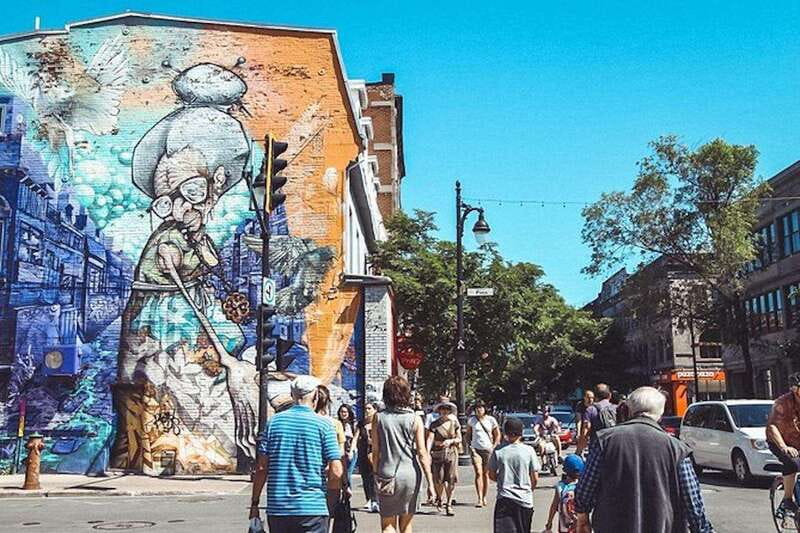
- MURAL Festival street art along Saint-Laurent with art-focused stops
Notre-Dame Basilica first: the smart start point
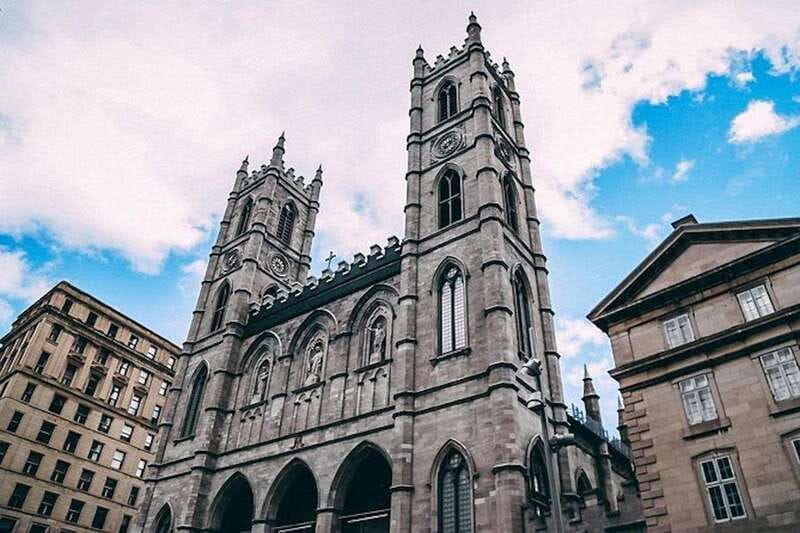
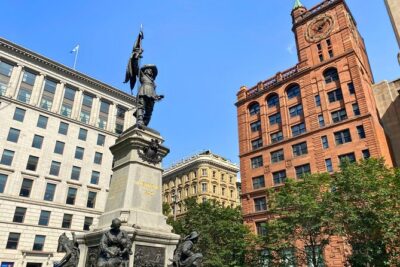
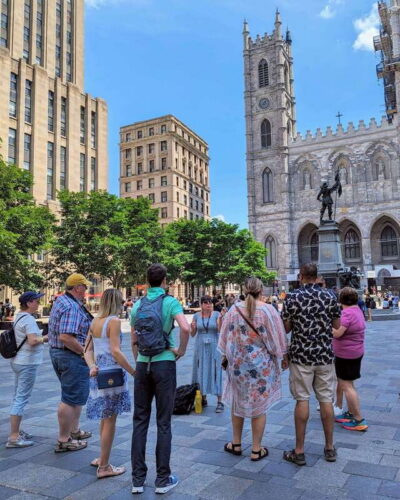
The tour begins in Place d’Armes, by the Maisonneuve Monument (look for the engraving 1642). It’s a good launchpad because you’re immediately close to the area you came for, and you’re not wasting your first minutes in Montréal searching for your footing.
From there, the best early move is the skip-the-line entrance into Notre-Dame Basilica. Even if churches aren’t your thing, this is worth treating like an indoor landmark stop. The time you save matters on a short, 150-minute format, and it keeps the energy up instead of spending your morning or afternoon stuck behind a line.
What I like here is the guide’s approach. You’re not just being told what to look at; you’re being given enough context to understand why the basilica anchors the neighborhood. And since the tour is designed for “in and out” movement, starting with a well-timed indoor highlight sets you up for the rest of the day.
One practical note: basilica entry can be closed for an event on rare occasions, so keep a flexible mindset. If that happens, you’re still walking an efficient route—but the exact first stop could shift.
Keep wandering the cobblestones with more Vieux-Montréal walking tours from Montreal



Vieux-Montréal streets: where architecture does the storytelling
Once you leave the basilica area, you’ll walk into Old Montréal (Vieux-Montréal) with a guided loop that focuses on the neighborhood’s character. This is where the city feels most “designed for wandering,” with historic buildings and tight streets that make every turn feel like a new postcard.
The tour includes short guided segments (you’re not stuck listening for long stretches), and the guide takes you into architecturally impressive spots along the way. I like this format because it turns a simple walk into something you can actually remember later. You start noticing details you would usually miss: building scale, street corners that funnel foot traffic, and the way key public spaces shape the feel of the district.
Old Montréal can attract crowds, so the tour’s aim is to get you moving through the area efficiently, and then head for sections that feel more lived-in. If your goal is to see the classic sights without spending your whole afternoon in tourist bottlenecks, this is a good way to do it.
Montréal Underground City and Chinatown: warm, quick, and local-feeling
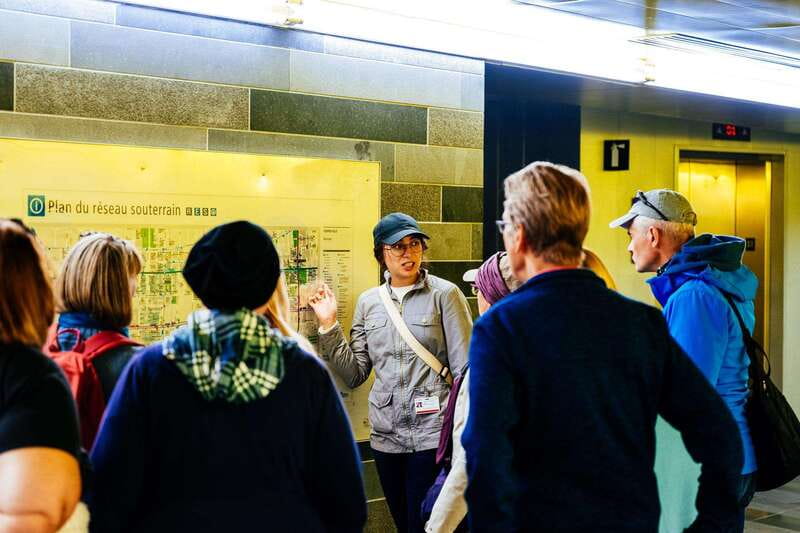
One of the tour’s most practical assets is the short segment through the Montréal Underground City. The Underground City is described as the largest indoor network on the planet, and on a walking tour, that matters. It gives you a reliable way to keep moving when weather changes, and it also connects neighborhoods in a way that feels useful rather than gimmicky.
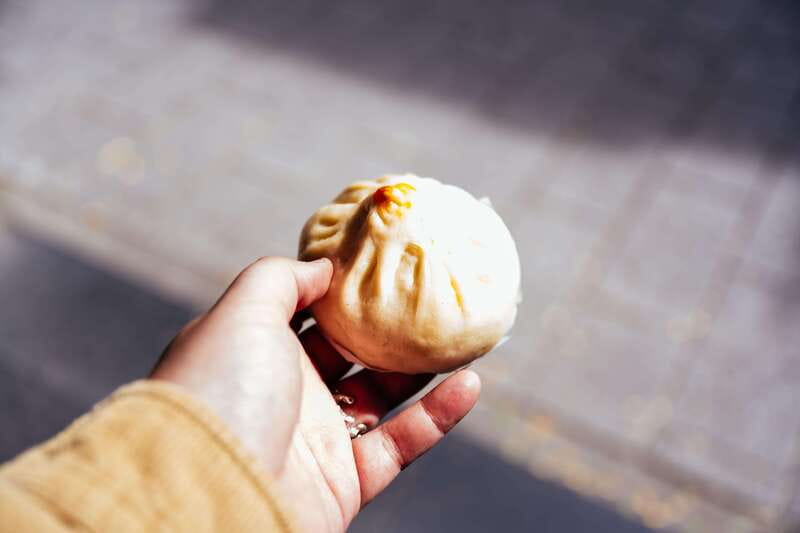
In this tour, you don’t do a full underground exploration for hours. Instead, you use it strategically to reach Chinatown. You’ll also stop for street food—a big part of why this works. Chinatown isn’t just a photo stop here; you get a quick taste and a little orientation so you know what you’re seeing when you’re back out on the street.
What you should expect:
- A brief but meaningful Underground City route that keeps the day comfortable
- A snack tasting moment when possible (food + beverage tasting is included when available)
- A short Chinatown sightseeing segment right after the snack
I find this sequence helpful because it avoids a common mistake: walking through Chinatown like a spectator only. You get the energy first (food), then the context (sightseeing).
Red Light District to festival heart: a different side of the city
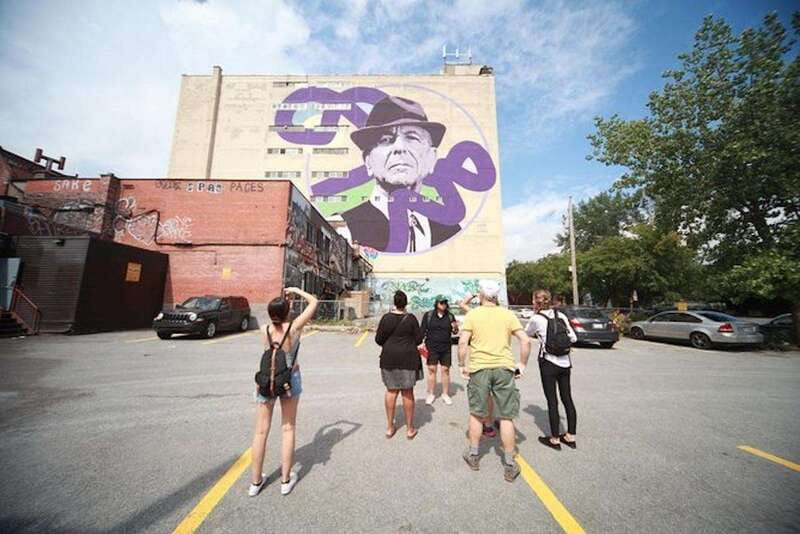
After Chinatown, the tour moves toward the area historically known as the Red Light District, now often experienced as an entertainment center. The route frames it around culture and festivals—big events that make the neighborhood feel like a living stage instead of just a nightlife strip.
The guided stop here includes both commentary and short sightseeing time, with an extra detail that I appreciate: you’ll visit a whacky, often-missed institution. The tour doesn’t spell out the exact place in the info you have here, so I’d treat it like the kind of quirky stop that your guide chose because it adds texture and a bit of local surprise.
This part of the tour is a good reminder that Montréal’s vibe depends on who you’re with and what angle you take. Old Montréal is all elegance and history. This stretch shows how the city reinvents spaces and turns them into meeting points for music, art, and crowds during major celebrations.
A secret stop and a third-wave coffee pause
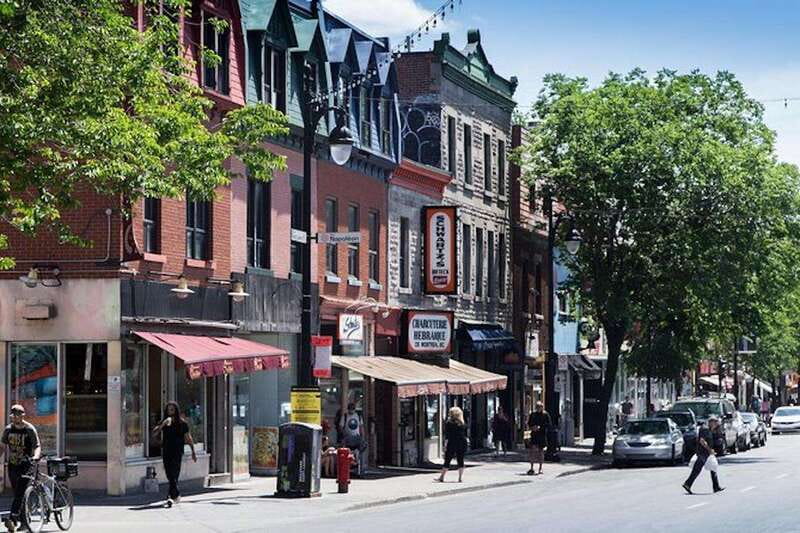
Mid-tour, you get a short secret stop break for reset time. Then it’s on to a local café for coffee. This isn’t just about caffeine. It’s a practical pacing tool: you get downtime in a guided day so you don’t start dragging halfway through.
The coffee stop also gives you an easy way to compare what you’ve seen so far with what people do day-to-day. Montréal has strong coffee culture, and the guide’s local pick helps you avoid the “only tourist spots are easy” trap.
The best part is how the day is managed around breaks. Even if you don’t need a bathroom every few minutes, you’ll appreciate the way the route builds rests before you feel rushed.
Step inside for more museums and landmark visits around Montreal






Saint-Laurent Boulevard and MURAL Festival: street art you can read
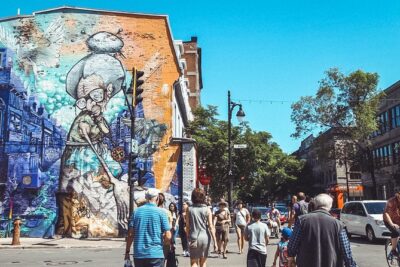
One of the strongest reasons to take this tour is the art focus. You head up Saint-Laurent Boulevard to check out MURAL Festival works, with multiple impressive pieces on the route.
And here’s the useful context: the neighborhood/borough is described as home to the highest concentration of artists in Canada. When a guide gives you that kind of framing, the murals stop being random decoration. You start seeing them as part of a creative ecosystem—artists using public space to make statements, celebrate culture, and shape how the street feels.
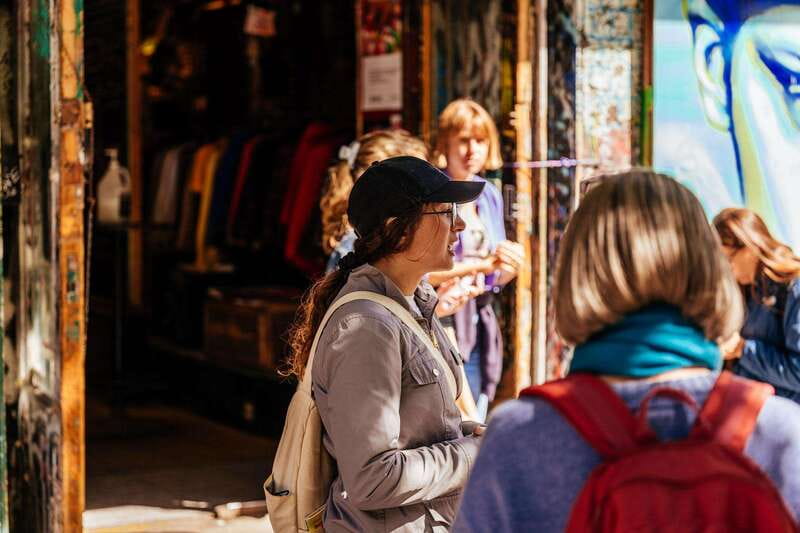
This is also where the “locals don’t do boring routes” angle pays off. Street art is easy to miss if you’re just walking quickly. With a guide, you slow down at the right moments and you get enough background to actually understand what you’re looking at.
If you like photography, bring your phone camera setup or a small camera. But even if you don’t, the bigger value is learning how Montréal’s public art connects to neighborhood identity.
Plateau-Mont-Royal finish near Ave Duluth: a tidy landing zone
The final stretch brings you into Le Plateau-Mont-Royal for a short sightseeing segment, and then you finish at Ave Duluth.
I like this ending because Plateau is the kind of area where a guided intro naturally turns into free wandering afterward. It’s a logical place to pivot from “organized walking tour” into “I want to explore on my own.” You’re also not ending in the middle of nowhere; Ave Duluth is a sensible anchor for later plans.
Another thing you should plan on receiving is a custom list of personal recommendations at the end. This is a real value-add because it turns the tour into next steps, not just a one-time set of stops. For a first visit, that matters. You’ll know where to go for food, drinks, and entertainment without guessing blindly.
Price and value: why $57 can make sense (if you time it right)
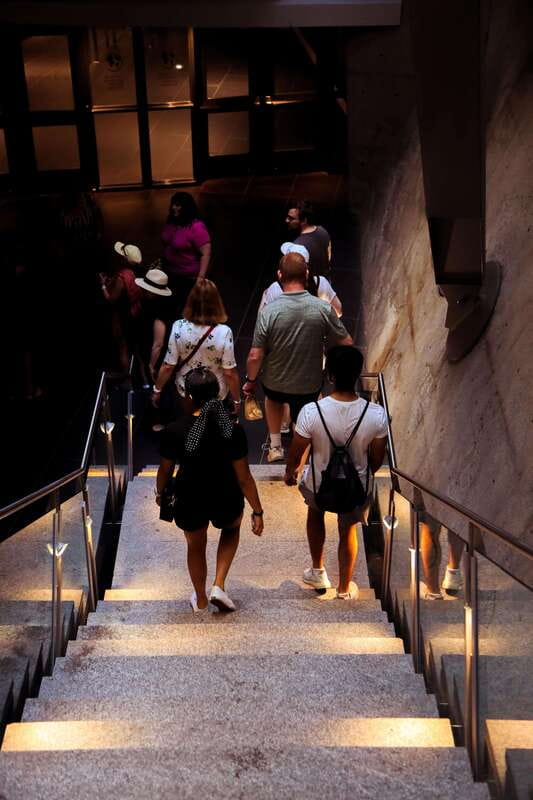
At $57 per person for about 150 minutes, this isn’t a bargain priced to be disposable, and it’s not a premium splurge either. The value comes from stacking several things into one visit:
- Skip-the-line entry to Notre-Dame Basilica (time savings you can feel)
- Guided context that turns “I walked around” into “I understand what I saw”
- Small group size (max 10 participants) which usually means less waiting and more question time
- One food and one beverage tasting when possible, which turns the walk into a sensory experience
- A recommendations list to help you use the rest of your trip better
For me, the best time to book a tour like this is early in your trip. You’ll use it like a map for the days ahead. If you wait until the end of your visit, you still get the sights, but you lose some of the payoff from the recommendations.
Who this walking tour fits best (and who should skip it)
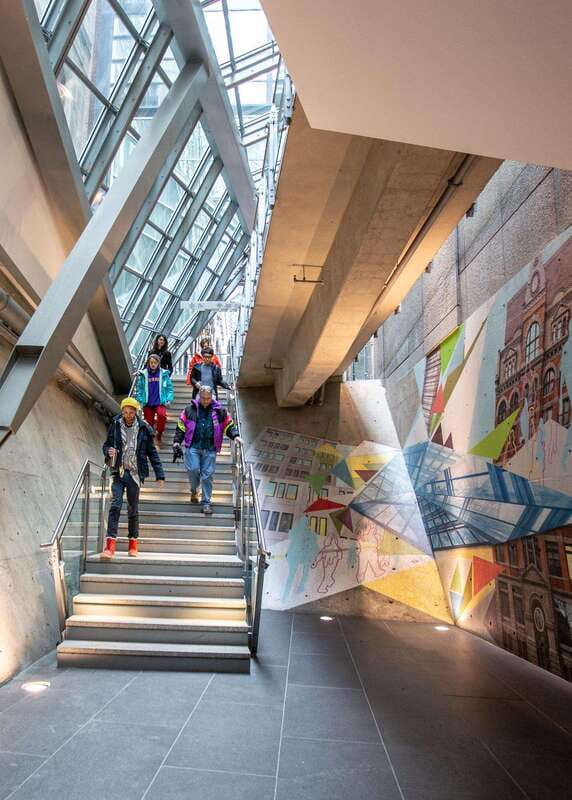
This is ideal if you want an efficient intro to Montréal without hopping across the city randomly. It also works well if you like a balanced mix: classic landmark, historic district, street art, plus snack stops.
You’ll probably enjoy it most if you:
- Are visiting for the first time and want orientation fast
- Like walking but prefer guided pacing
- Want a route that includes comfort options via the Underground City
- Appreciate food-and-drink moments rather than just sightseeing
It may not fit you if:
- You need a wheelchair-accessible tour (it’s not wheelchair accessible)
- You’re traveling with kids under the listed limits (minimum age is 5, and it’s not suitable for children under 10)
- You don’t want any moderate walking in a 150-minute format
For everyone else: pack comfortable shoes. The tour operates in all weather conditions, and that’s a good thing—just dress for it.
A note on guides: what the small-group style feels like
This tour runs with a live English guide, small group capped at 10. The reviews you provided emphasize guides who are friendly and passionate, and who keep pacing tight with snack/drink/break moments.
You’ll also benefit from how the guides handle questions. Some notes highlight that knowing a lot isn’t always the same as sharing it in the exact way you want—so if you have a specific interest (history, architecture, street art, city planning), ask directly. The format is built for conversation, not lecturing.
Should you book this tour?
If you’re looking for a high-value Montréal sampler that connects the dots between neighborhoods, I’d book it. Starting at Notre-Dame Basilica without a line, using the Underground City for comfort, then layering in Chinatown, entertainment-festival context, and MURAL street art is a smart combination for a first-time visit.
Skip it if mobility is a big concern for you, or if you’re traveling with younger kids who won’t handle a moderate walking route.
If you do book, arrive early at the Maisonneuve Monument by Place d’Armes so you don’t risk missing the start. Then go in with one simple goal: use the guide to help you understand what you’re seeing, and use the recommendation list to turn the last part of your day into your own Montréal.
FAQ
What’s the price for this Montréal walking tour?
It costs $57 per person.
How long is the tour?
The duration is 150 minutes.
Where does the tour start and what’s the meeting point?
You meet next to the engraving 1642 on the Maisonneuve Monument in Place d’Armes Square, directly across from the Notre-Dame Basilica.
Is entry to Notre-Dame Basilica included?
Yes, entry to the Basilica is included (it may be closed for an event on rare occasions). The tour also includes skip-the-line entry through a separate entrance.
Does the tour include food or drink?
It includes one food and one beverage tasting when possible.
How big is the group?
The group is small, limited to 10 participants.
What languages are offered?
The tour is offered in English.
Is the tour suitable for wheelchairs or strollers?
The tour is not wheelchair accessible, but it is stroller accessible.
FAQ
What age is this tour for?
The minimum age is 5 years, and it’s listed as not suitable for children under 10.
Does the tour run in bad weather?
Yes, it operates in all weather conditions, so dress appropriately.
More Museums & Landmarks in Montreal
More Vieux-Montréal Walking Tours in Montreal

More Tour Reviews in Montreal




Not quite your thing? Here are other Montréal outings worth a look around Montreal











Vieux-Montréal Walking Tours, compared.
 ★ 4.5The Original Old Montréal Walking Tour by GuidatourFrom $262,217 reviews
 ★ 5.0Old Montreal Small-Group Walking Tour | Max 10 | by MTL DetoursFrom $442,088 reviews
 ★ 4.8The Original Old Montréal Walking TourFrom $25911 reviews
 ★ 4.7Old Montreal: Traditional Ghost Walk of the Haunted CityFrom $24746 reviews
 ★ 4.5Old Montreal Ghost Walking TourFrom $26726 reviews
 ★ 5.0The Essential 101 Non-Touristy Walking Tour by Spade & PalacioFrom $51716 reviews
 ★ 4.9Top Rated Small Group Old Montreal Walking TourFrom $46611 reviews
 ★ 5.0Walking tour of Old Montreal – 16/42 ToursFrom $27592 reviews
Browse the lists this tour appears in