
Reviewed · MONTRÉAL BIKE & E-BIKE TOURS
Non Touristy Pink Bike Tour by Spade & Palacio
If Montreal feels too big and too hurried, this small-group bike tour turns it into streets, murals, and parks you can actually process. I love the 10-person limit (it stays personal) and the way the tour mixes street art with real neighborhood life, not just postcard stops. One thing to weigh: you do need moderate comfort riding in bike lanes and at times on city roads, even if the pace is relaxed.
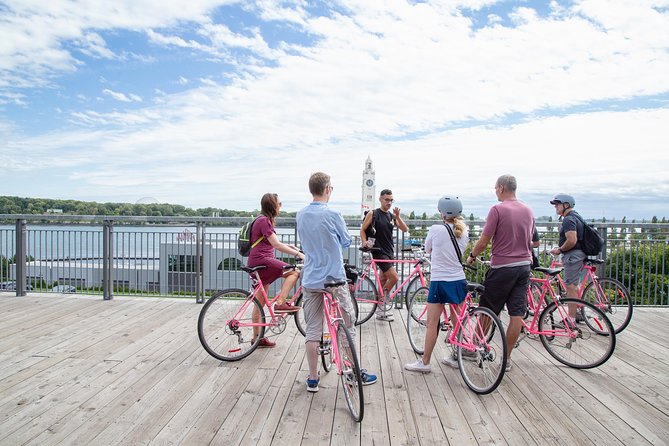
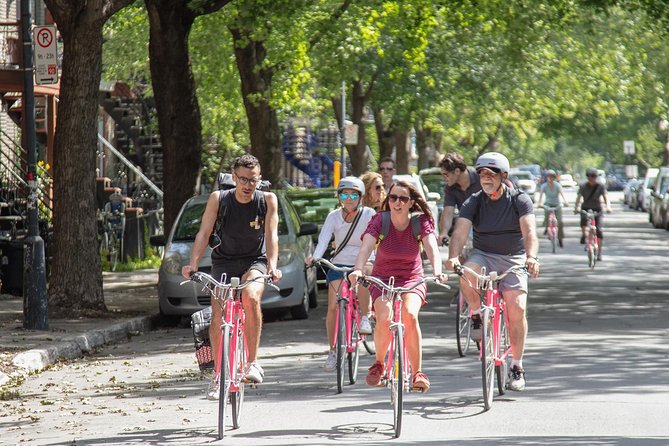
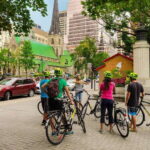
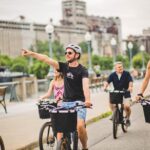
The most fun part is the pink bikes themselves. They’re refurb jobs—new life for old frames, rebuilt locally in Mile End—so you’re not just sightseeing, you’re rolling around on a story. Guides like Rufus, Jeff, Felix, Chris, and Danny are consistently praised for keeping facts interesting (not a lecture) and for a smooth, friendly vibe from start to finish.
In This Review
- Key highlights that make this tour worth your afternoon
- Why this pink-bike tour feels like Montreal, not a checklist
- A quick heads-up on the one trade-off
- Getting rolling: the meeting point and setup flow
- Stop 1: Mount Royal Park at street level—why it matters to locals
- Stop 2: Leonard Cohen Mural—art you can’t ignore
- Plateau Mont-Royal: the neighborhood stretch where the city clicks
- The picnic lunch in the borough-park setting
- Stop 4: Quartier des Spectacles—Canada’s cultural core
- Stop 5: Montreal International Jazz Festival area—where the noise happens
- Stop 6: Old Port viewpoint—seeing the river from an angle locals use
- Stop 7: The Village (Gay Village)—a pedestrian stretch with context
- Stop 8: La Fontaine Park—parks as culture, not scenery
- The bikes and ride feel: comfortable enough for most people
- Helmets and safety basics
- Guides are the whole reason this works (and they’re funny about it)
- What you should know about the value ($55.62 and what’s included)
- Weather, timing, and how to plan your day
- Best timing tip
- Should you book this pink-bike tour?
- FAQ
- How long is the Non Touristy Pink Bike Tour?
- What’s included in the price?
- Where do I meet the group?
- What’s the group size limit?
- Is lunch included, and can you handle dietary needs?
- Do I need to provide my height before the tour?
- What happens if the weather is bad?
Key highlights that make this tour worth your afternoon
- Pink, refurbished bikes built from old frames in Mile End, so the tour starts with style and local craft
- Small group (max 10) that makes stops feel conversational, not crowded
- Street art + neighborhood rhythm across Plateau Mont-Royal, the Gay Village, and beyond
- Picnic lunch in a park paired with local craft beer, turning “sightseeing” into a proper break
- A guide who actually loves Montreal—the humor and city pride show up in the pacing and details
Why this pink-bike tour feels like Montreal, not a checklist
Montreal has a serious talent for looking artsy without trying. The trick is knowing where to look. This tour helps you read the city through what locals notice: murals, park culture, festival energy, and the little residential blocks where life happens.
You’re also getting a format that fits Montreal’s layout. The city is bike-friendly enough that a well-run route can link big themes—art, entertainment district culture, old-port views, and LGBTQ+ neighborhood life—without bouncing you around on buses. And because it’s about half a day (about 4 hours), you can do it early in your trip and still have energy for dinner plans afterward.
The “non-touristy” pitch here isn’t marketing fluff. The route spends serious time in places like Plateau back streets and park corners, and it treats neighborhoods as the point—not just backgrounds for photos. That’s what makes the tour useful: it gives you bearings fast.
Roll on with more bike and e-bike routes we have ridden in Montreal
A quick heads-up on the one trade-off
This is a bike tour, not a stroller tour. The ride isn’t described as difficult, but you should be comfortable enough to handle bike lanes and occasional road sections. If you’re nervous about traffic, it’s worth choosing a time when you feel rested and ready, because confidence matters more than speed.
Getting rolling: the meeting point and setup flow
The meeting point is at 3801 R. Saint-Denis, Montréal, QC H2W 2M4, and the tour ends back there. You’ll want to arrive a few minutes early so the bikes and helmets can be sorted without stress.
One practical plus: this is set up for a mobile ticket, and the operation runs in a way that feels organized from arrival through the wrap-up. In the feedback, multiple people mention seamless check-in and help with getting the bike adjusted—especially helpful if you’re traveling solo, older, or just not in “bike gear” mode yet.
Also note: you may be asked to send your height along with each traveler’s name. That’s not busywork. It’s what makes the bikes fit correctly, and a good fit means you ride longer with less fuss.
Stop 1: Mount Royal Park at street level—why it matters to locals
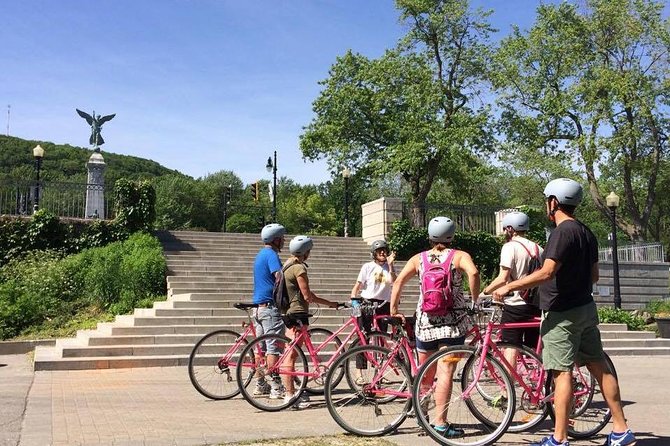
The tour starts at the foot of the mountain in Jeanne-Mance Park. This is a smart opener because it frames Mount Royal not as a distant skyline postcard, but as something locals feel close to—part of daily life and local identity.
In about 15 minutes, you get history and local context geared toward how Montrealers think, not how museums label things. You don’t need to be a history buff. The goal is simple: you should understand what the area means before the tour shifts into neighborhoods where you’ll see that meaning in murals, parks, and street life.
What to watch for: how quickly the guide points out everyday details—signs of community, public space habits, and how the city’s geography nudges where people gather.
Stop 2: Leonard Cohen Mural—art you can’t ignore
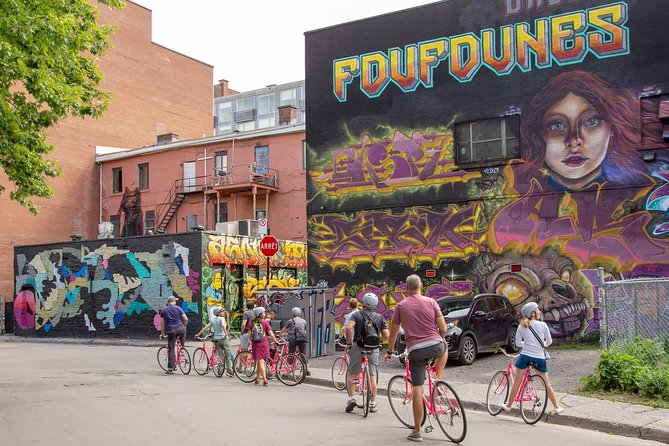
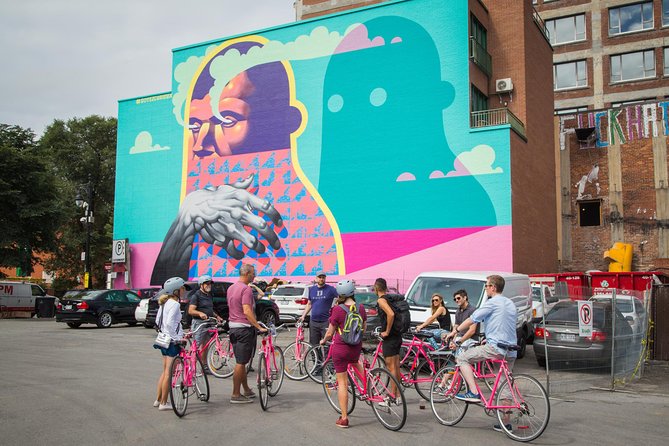
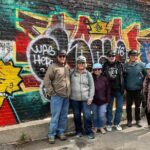
Next comes the Leonard Cohen mural, described as a massive piece Montreal holds close. In about 35 minutes, the guide connects Cohen’s presence to the city’s culture and introduces you to additional mural stops along the way.
This is one of those moments that works even if you don’t know every lyric or reference. The guide’s job isn’t to quiz you. It’s to show you why the mural landed where it did, and how street art becomes part of the city’s shared memory.
A practical benefit: after this stop, you’ll start noticing murals differently. You’ll likely spot patterns—styles, themes, and why certain walls get chosen—that you would miss if you were just walking through quickly.

Plateau Mont-Royal: the neighborhood stretch where the city clicks
After the early art anchor, the tour shifts into Plateau Mont-Royal. This is where the route feels most “you’re in the city now” because you bike through back streets and quieter lanes, with time to see parks and street art up close.
There’s a key timing here: you’ll spend a solid chunk of the tour in this area and this is also where the picnic happens. The idea is to slow down just enough to feel the neighborhood’s texture, then reset your energy in the park.
The picnic lunch in the borough-park setting
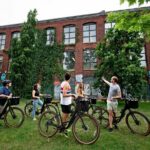
Lunch isn’t treated as an afterthought. It’s part of the experience: you get a picnic in a park setting and you pair it with local craft beer. From the feedback, the food often lands as a highlight—people mention a tasty sandwich and a sweet pastry, plus beer to go with it.
Two real value points for you:
- It saves decision fatigue. Instead of hunting for something good in a short window, you already have a plan.
- It makes the neighborhood feel real. Eating outdoors among residents changes your perspective fast.
One consideration: bring any dietary needs to the booking stage. The tour notes that dietary requirements should be advised at booking, so don’t wait until the day-of to hope for a tweak.
Stop 4: Quartier des Spectacles—Canada’s cultural core
Then you move into Quartier des Spectacles, the entertainment heart. In about 15 minutes, the guide points out cultural venues and festivals, essentially teaching you how Montrealers use this zone when they want shows, performances, and public events.
This stop is useful for practical planning later in your trip. Even if you’re not catching a show that day, you’ll know where to look and what’s worth checking out when schedules drop.
What to watch for: the difference between cultural energy downtown and day-to-day neighborhood life you saw in the Plateau. You’ll feel that contrast right away.
Stop 5: Montreal International Jazz Festival area—where the noise happens
Next is the Montreal International Jazz Festival main stage area, where major festival energy concentrates. This lasts around 10 minutes.
Even if the festival isn’t running when you visit, the guide uses the space to explain why Montreal treats music as a citywide event. It’s a short stop, but it adds context you’ll carry into evenings—especially if you’re drawn to live music and want to understand what Montreal values.
Stop 6: Old Port viewpoint—seeing the river from an angle locals use
You’ll head toward the Old Port of Montreal, including a hidden vantage point that looks over the port and the river. This takes about 15 minutes.
This isn’t a “walk past shops” Old Port moment. The value is the view angle and the guidance: you get a visual reset after neighborhoods and street art. It also helps you understand the physical layout of the city—where water and industry shape what’s built around them.
Tip for your photos: this is a great place to take your time and shoot from your preferred spot. The tour pacing still keeps it moving, but the viewpoint naturally invites a pause.
Stop 7: The Village (Gay Village)—a pedestrian stretch with context
The tour then hops off the bikes for the Village (Gay Village), described as a vibrant LGBTQ+ area with a pedestrian mall over 1 kilometer. This stop runs about 20 minutes.
This is more than photo stops. The guide walks you through the neighborhood’s LGBTQ+ context, which helps the area make sense beyond signage and storefronts. It’s also a nice change of pace: you get to walk and absorb the atmosphere instead of pedaling the whole time.
What I like for you: it creates a strong “Montreal is more than one type of scene” feeling. You’re seeing the city’s identity in layers.
Stop 8: La Fontaine Park—parks as culture, not scenery
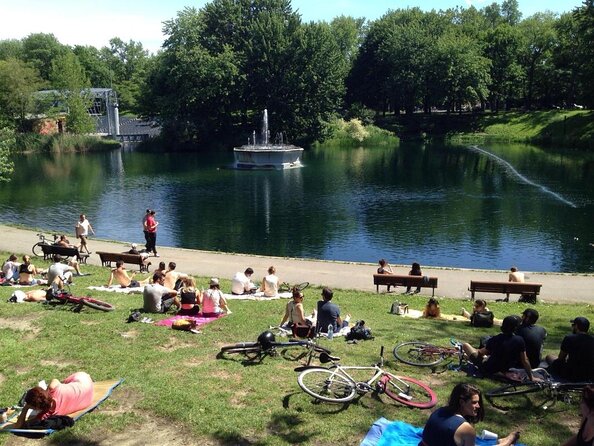
The final major stop is La Fontaine Park, about 20 minutes. Montreal parks are a huge part of how people socialize, and this portion helps you understand that park life isn’t just background—it’s a central routine.
You cruise through the park and the guide frames what matters: where people gather, how parks function socially, and how locals treat outdoor space as everyday life.
If you’ve ever wondered why Montrealers talk about seasons like they’re planning events, this is where it clicks. The park stop is a gentle finish line that leaves you with a better sense of where locals go when they want to slow down.
The bikes and ride feel: comfortable enough for most people
The bikes are described as well maintained and easy to ride. One standout point from feedback: even riders who usually prefer e-bikes reported the provided bikes were workable, and people noted the route is mostly flat with only occasional small hills.
That said, “easy” and “effortless” aren’t the same. The tour itself warns for moderate physical fitness, which I take to mean: you should be ready for 4 hours of riding at a comfortable pace, plus some short stops.
Helmets and safety basics
Helmets are provided, which is a good sign the tour takes safety seriously. You’ll also want basic comfort around bike lanes and city traffic sections. If you’re brand new to riding, practice beforehand if you can.
Guides are the whole reason this works (and they’re funny about it)
This tour gets consistent praise for guides who don’t drown you in facts. Names that come up again and again include Rufus, Jeff, Felix, Chris, and Danny.
Here’s what that means for you:
- Guides keep the tour pace steady and readable.
- They share stories and city context in short, useful pieces.
- You often leave with a recommendation sheet or a cheat-sheet style list of where to go next.
That last part is underrated. Montreal is wide. Having a guide’s “start here” list helps you keep exploring without wandering for hours.
What you should know about the value ($55.62 and what’s included)
At $55.62 per person for about 4 hours, you’re paying for more than a ride. You’re getting:
- Local guide/experienced guide
- Use of bicycle
- Helmet
- Lunch
- Picnic + local craft beer (where applicable based on the tour offering)
- A route designed to cover multiple neighborhood themes in one run
So the math works best when you compare it to spending that same time on your own. If you’d otherwise pay for bike rental, helmet, lunch, and then spend extra time figuring out routes, this is often a fair deal. It’s also a better use of your energy on day one or day two, when you’re still learning the city layout.
Weather, timing, and how to plan your day
This experience requires good weather. If it gets canceled due to poor weather, you’ll be offered a different date or a full refund.
It’s also clear from feedback that guides can handle real-life city conditions—like rain and construction—by navigating smoothly between stops. That’s another reason a guided route matters: Montreal can change block by block.
Best timing tip
If you want the tour to help you for the rest of your trip, schedule it early. You’ll come away with neighborhood understanding you can use when deciding where to eat, where to walk, and what areas match your vibe.
Should you book this pink-bike tour?
If your travel style is part sightseeing, part street-watching, and part “show me what locals actually do,” I think you’ll like this one. The mix of street art, neighborhood cruising, a real park picnic, and a small group makes the experience feel human instead of rushed.
Book it if:
- You want a non-touristy Montreal angle without giving up structure
- You’re comfortable biking and want an efficient way to cover multiple areas
- You’d like a guide’s recommendations so you spend less time guessing
Skip or rethink if:
- You’re not comfortable riding in bike lanes or on city roads
- You’re looking for mostly major landmark viewing with lots of indoor options
- Dietary needs require specific handling that you haven’t arranged during booking
If you want one practical move: come with a relaxed mindset. This isn’t a race for photos. It’s a slow, friendly way to learn how Montreal talks back through its streets, murals, and parks.
FAQ
How long is the Non Touristy Pink Bike Tour?
It runs for about 4 hours (approx.).
What’s included in the price?
The tour includes lunch, a local guide, a professional guide, use of the bicycle, and use of a helmet.
Where do I meet the group?
The meeting point is 3801 R. Saint-Denis, Montréal, QC H2W 2M4, Canada, and the tour ends back at the meeting point.
What’s the group size limit?
The tour has a maximum of 10 travelers.
Is lunch included, and can you handle dietary needs?
Lunch is included, and you should advise of specific dietary requirements at the time of booking.
Do I need to provide my height before the tour?
Yes. The additional info asks you to send height with the name of each traveler it belongs to.
What happens if the weather is bad?
This experience requires good weather. If it’s canceled due to poor weather, you’ll be offered a different date or a full refund.
More Tours in Montreal
More Bike & E-Bike Routes in Montreal
More Tour Reviews in Montreal
Not quite your thing? Here are other Montréal outings worth a look around Montreal




Montréal Bike & E-Bike Tours, compared.
 ★ 5.0Montreal eBike Sightseeing TourFrom $81573 reviews
 ★ 4.8E-Bike Sightseeing TourFrom $79365 reviews
 ★ 5.03 Hour Montreal City Bike Tour with Wine or Beer (AM & PM)From $70332 reviews
 ★ 4.8Guided Bike Tour of City, Old Port & PlateauFrom $68331 reviews
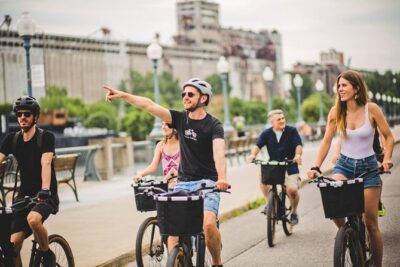 ★ 5.0Bike / E-bike Tour : Downtown, Old Montreal, Waterfront by FitzFrom $89299 reviews
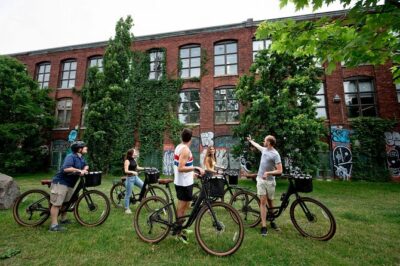 ★ 5.0Bike / E-bike tour : Plateau, Mile-End, Jean-Talon Market by FitzFrom $89269 reviews
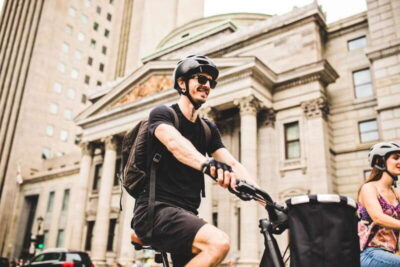 ★ 4.9Downtown and Old Montreal Highlights Bike TourFrom $8753 reviews
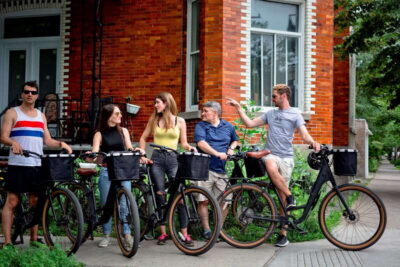 ★ 4.5Bike/E-bike tour Plateau,MileEnd, Jean-Talon Market by FitzFrom $8733 reviews
Browse the lists this tour appears in